Planning a trip isn't only about picking a destination anymore, it's about timing it right. The best places to travel in 2026 will depend heavily on when you go. Weather patterns, festival calendars, peak tourist seasons, and local harvests all shift throughout the year. A country that's paradise in April might be sweltering or storming in August. Getting the timing right means better weather, smaller crowds, lower prices, and more authentic experiences.
This month-by-month travel guide will help you figure out where to travel in 2026 based on what each destination offers during specific times of the year. Whether you're chasing summer year-round, avoiding tourist hordes, or trying to catch a country at its most vibrant, this guide breaks it down simply.
Let's walk through the calendar and find the best countries to visit in 2026 for every month.
January: Japan
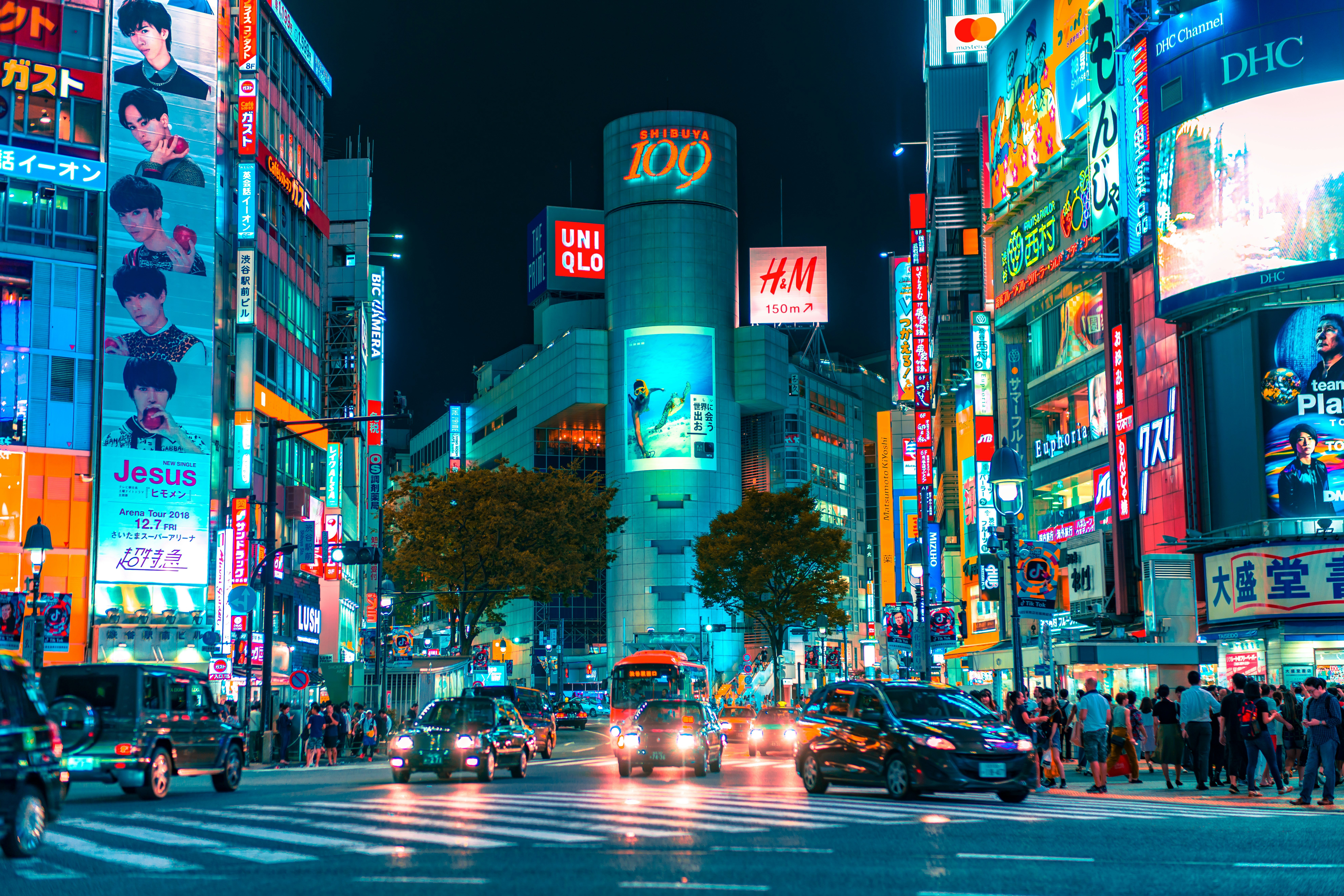
January is one of the best times to experience Japan, especially if you want to see the country in its winter glory. Start in Tokyo, then head to the Japanese Alps or Hokkaido for snow and hot springs.
The weather is cold, especially in northern regions, but it's dry and clear in most places. Tokyo hovers around 10°C during the day, while Hokkaido can drop below freezing. It's perfect for travelers who love winter sports, cozy experiences, and cultural immersion without the usual crowds.
Don't miss the chance to soak in an onsen (hot spring) surrounded by snow, or visit during the New Year period to see traditional temple visits and celebrations. Skiing in Niseko or Hakuba is world class, and you'll find powder snow that rivals anywhere in the world.
Crowds are moderate. January is outside the cherry blossom rush and summer vacation season, so you'll have more breathing room at major attractions. Prices are reasonable, though accommodations near ski resorts book up fast.
February: Argentina
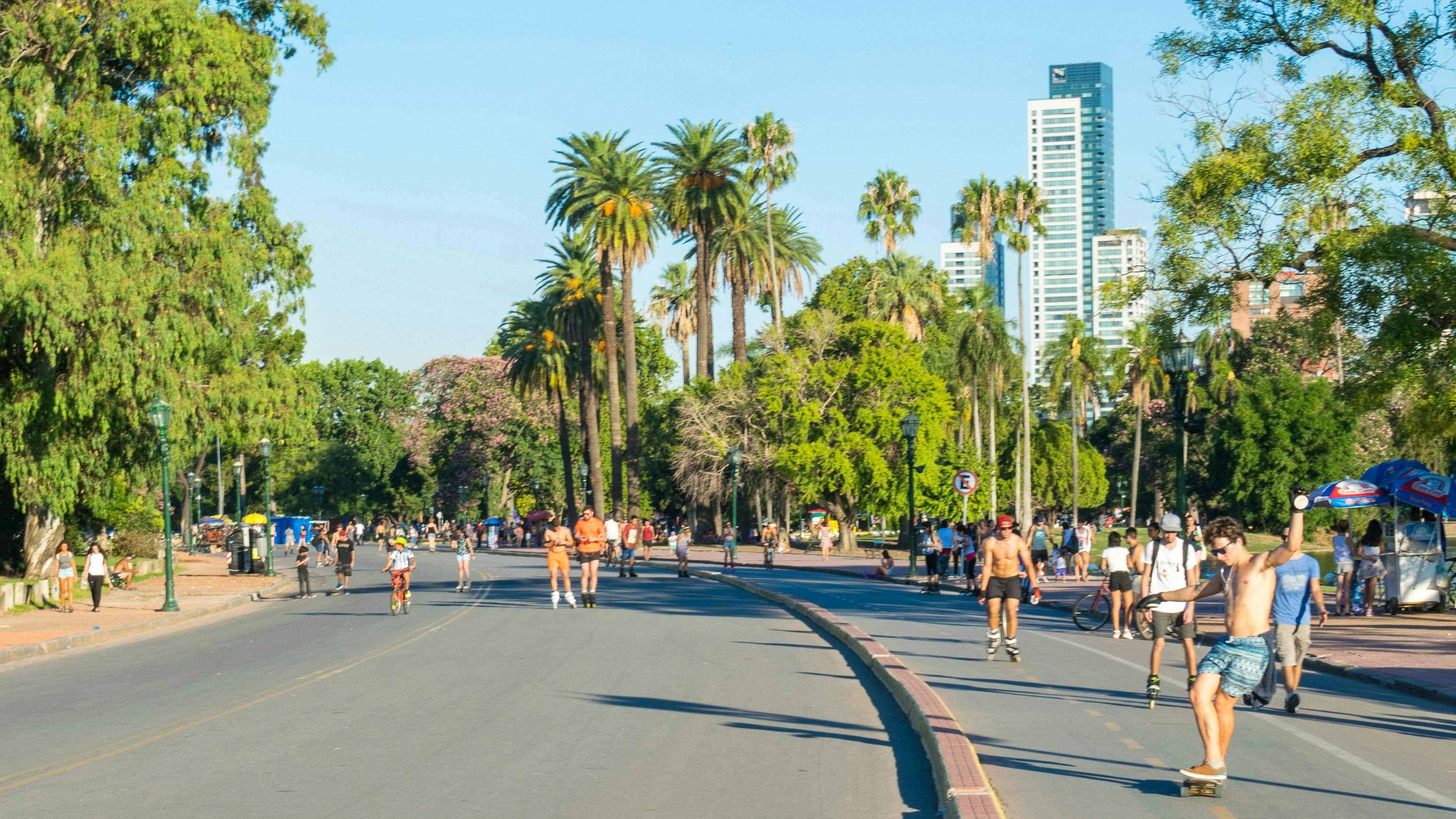
February is summer in South America, and Argentina is at its absolute best. Head to Buenos Aires for tango, food, and urban energy, then venture to Patagonia for hiking and glaciers, or up to Mendoza for wine country.
The weather in Buenos Aires is warm and pleasant, with temperatures in the mid-20s°C. Patagonia, in the far south, is also enjoying its warmest and most stable weather, making it ideal for trekking and wildlife spotting. This is peak season down there, so expect more travelers, but the landscapes are worth it.
February in Argentina is perfect for active travelers and food lovers. You can hike in El Chaltén, see the Perito Moreno Glacier, or explore vineyards with mountain backdrops. Buenos Aires in February is lively, with outdoor dining and street life in full swing.
Crowds are higher in Patagonia but manageable. Prices are at their peak, especially for accommodations in popular trekking towns, so book ahead.
March: Morocco
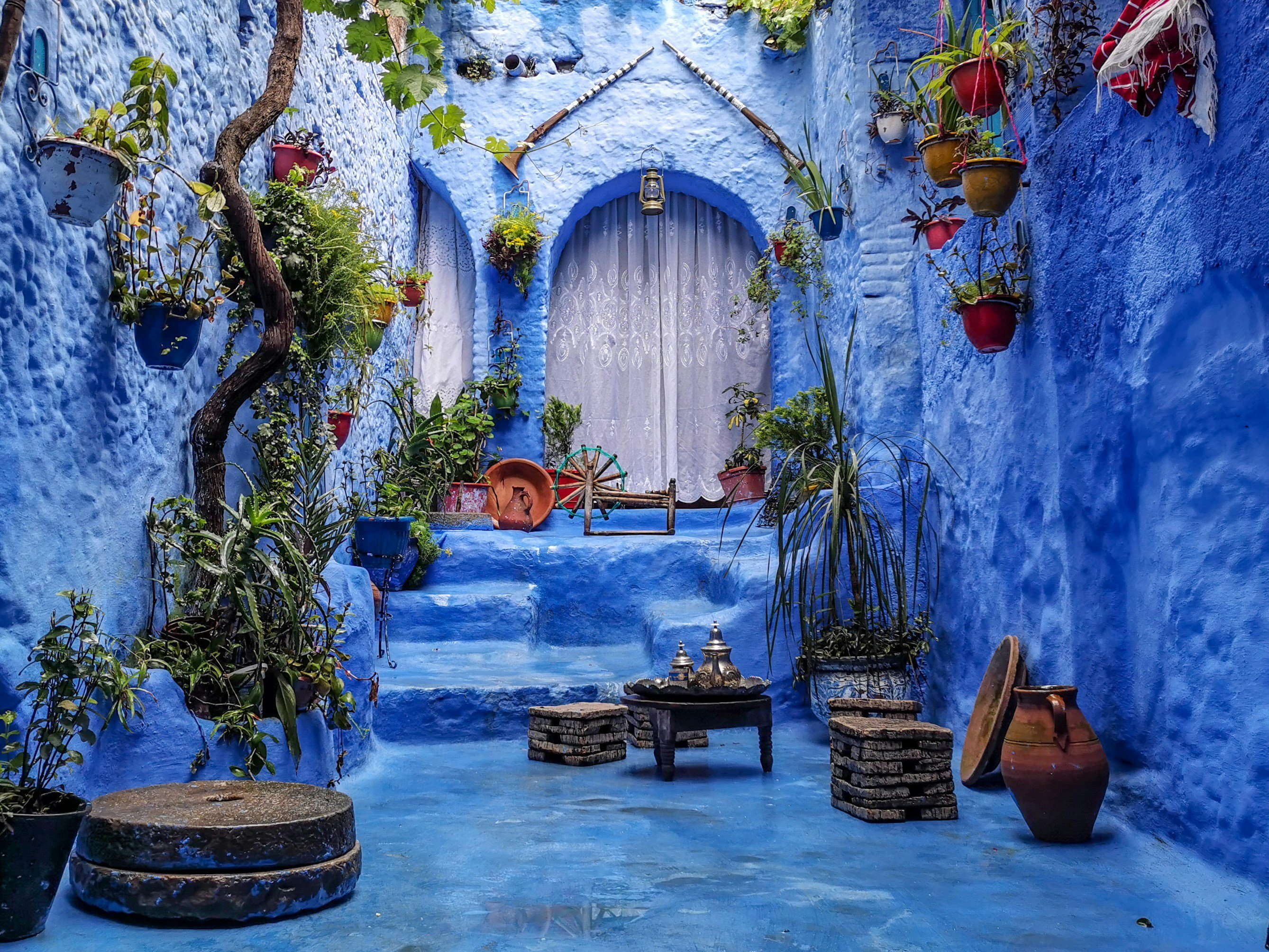
March is one of the best months to visit Morocco. The weather is warming up but not yet too hot, and the country feels alive after winter. Marrakech is a great base, but make time for the Atlas Mountains, the Sahara, and coastal cities like Essaouira.
Temperatures in Marrakech range from 12°C to 23°C, which is perfect for walking through medinas and exploring souks without sweating through your clothes. The desert is comfortable during the day and cool at night. The coast is breezy and mild.
Morocco in March suits travelers who want a mix of culture, adventure, and relaxation. You can trek in the mountains, camp in the Sahara under the stars, shop for spices and ceramics, and eat tagine until you can't move. The light in March is beautiful for photography.
Crowds are building as spring arrives, but it's not peak season yet. Prices are fair, and you'll have an easier time negotiating in markets and finding last-minute accommodations.
April: Greece

April is when Greece starts to wake up after winter. The islands are opening for the season, Athens is blooming, and the weather is perfect for exploring ancient ruins and coastal villages. This is one of the best times to visit Greece if you want to avoid the summer chaos.
Temperatures range from 15°C to 22°C, warm enough for outdoor exploration but cool enough that you won't be drenched in sweat climbing up to the Acropolis. The islands are green and flowery, and the sea is still too cold for most swimmers, which keeps crowds lighter.
April is ideal for history buffs, hikers, and people who want a quieter Greek experience. You can explore Athens, take ferries to islands like Crete or Naxos, explore Santorini, hike the Samaria Gorge, and wander through olive groves and villages. Easter often falls in April, and if you're there during Greek Orthodox Easter, you'll witness incredible local celebrations.
Crowds are much lower than summer. Prices are reasonable, and many hotels and restaurants offer shoulder-season deals.
May: Canada
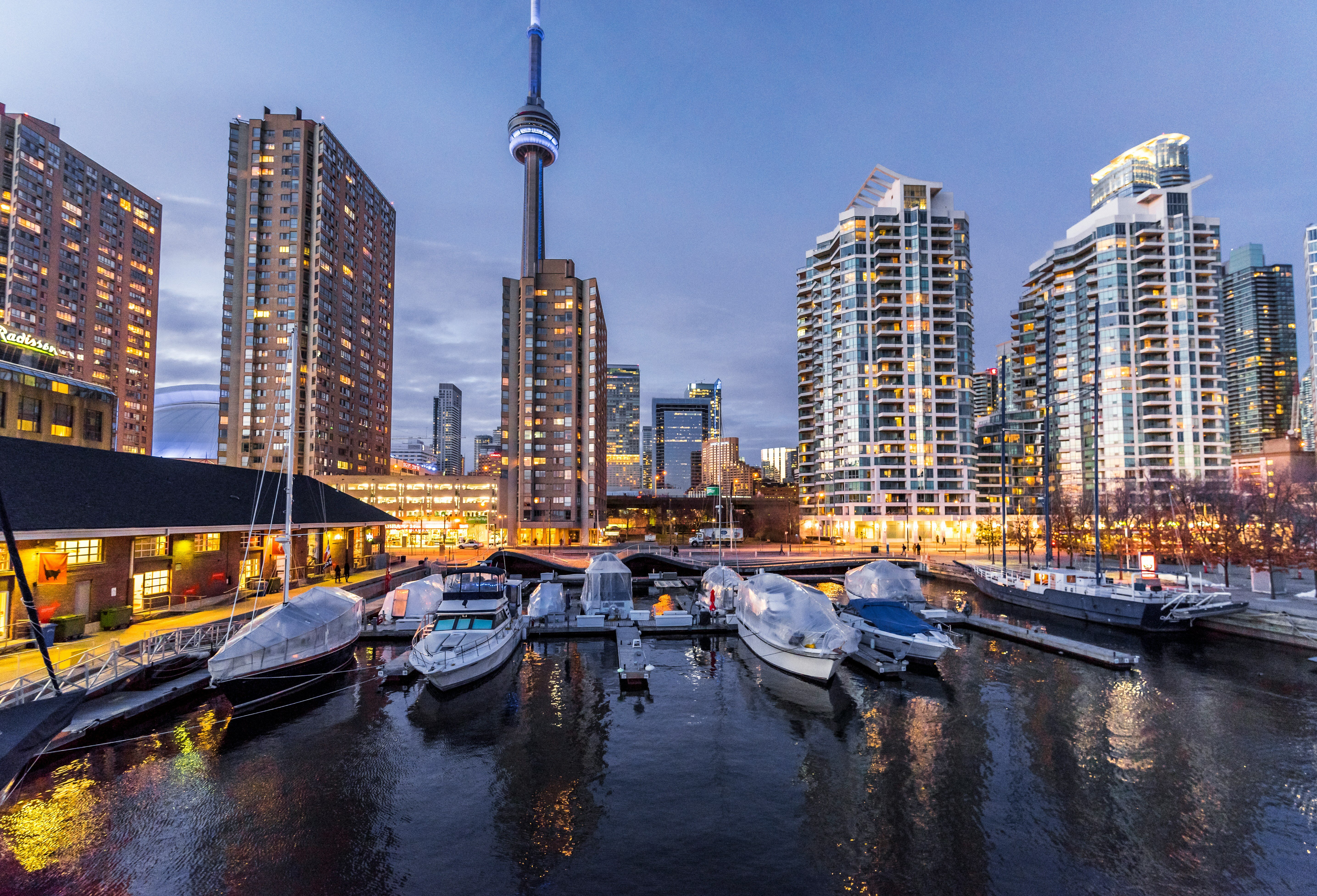
May is the start of spring in much of Canada, and it's one of the best times to visit before the summer rush. Vancouver and the west coast are particularly stunning, but you could also explore the Rockies or head east to Quebec and Montreal.
Weather in May varies by region. Vancouver is mild and blooming, with temperatures around 15°C to 18°C. The Rockies are still transitioning out of winter, so higher elevations may have snow, but the valleys are green and the waterfalls are roaring. Eastern Canada is warming up and coming alive after a long winter.
May in Canada suits nature lovers and city explorers. You can hike in national parks like Banff and Jasper, explore Vancouver's food scene and coastline, or enjoy Montreal's outdoor cafes and festivals. Wildlife watching is excellent, especially for bears emerging from hibernation.
Crowds are moderate. It's not peak summer yet, so you'll find better availability and slightly lower prices for accommodations and tours. This is also one of the best months for road trips across the country.
June: Iceland
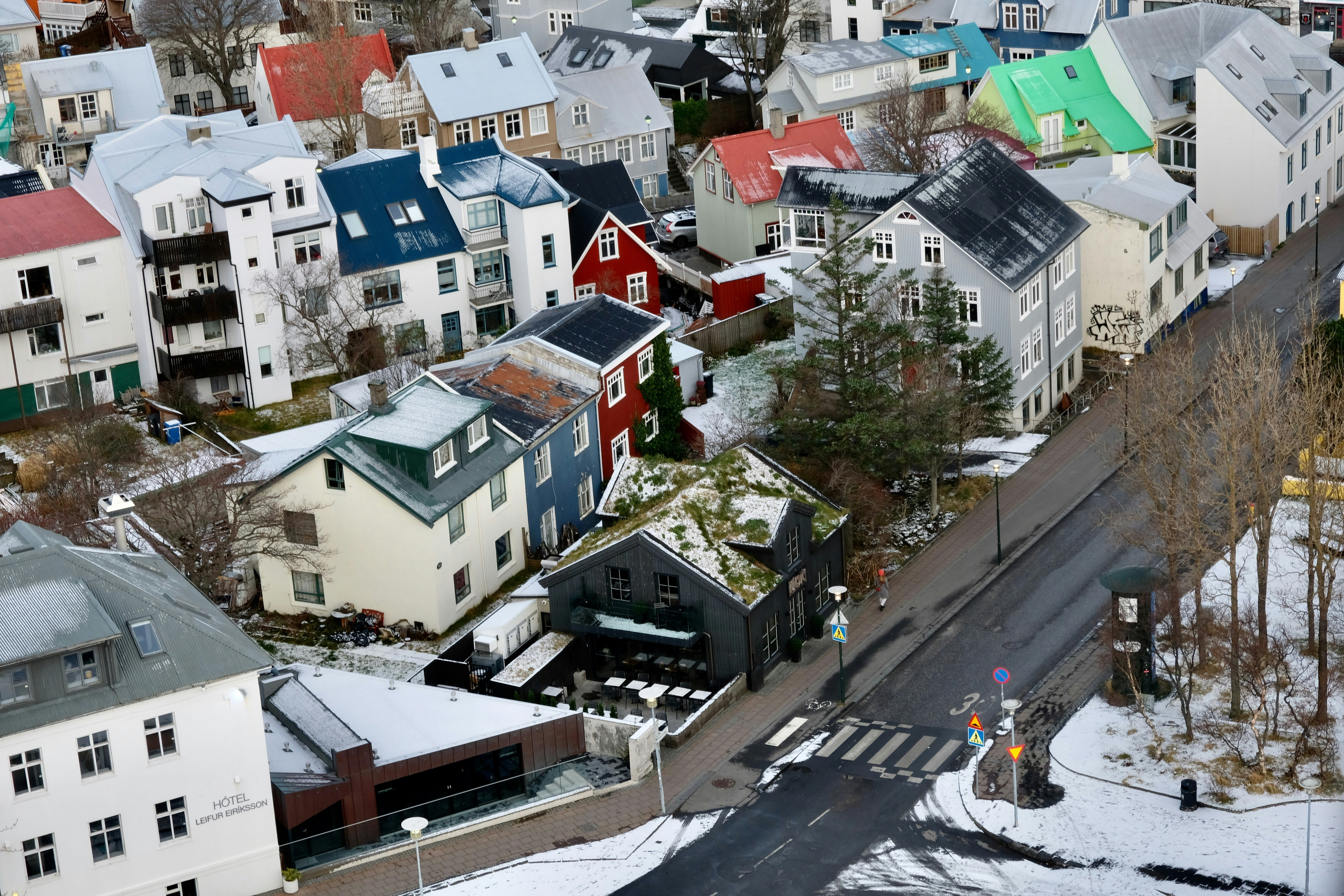
June is the peak travel season in Iceland for good reason. The days are incredibly long, the weather is mild, and the entire island is accessible. Reykjavik is the gateway, but the real magic is in the Ring Road, the highlands, and the remote fjords.
Temperatures in June range from 9°C to 15°C, which might sound cool but feels perfect when you're hiking or exploring geothermal areas. The midnight sun means you have daylight almost around the clock, so you can pack more into each day. Rain is common, so bring layers and waterproofs.
Iceland in June is ideal for adventure travelers and photographers. You can chase waterfalls, soak in hot springs, hike glaciers, explore lava fields, and spot puffins along the coast. The highland roads open in June, giving you access to some of the most remote and dramatic landscapes on earth.
Crowds are high, especially at popular spots like the Golden Circle and the Blue Lagoon. Prices are at their peak, and accommodations book out months in advance. But the long days and full access make it worthwhile.
July: Tanzania
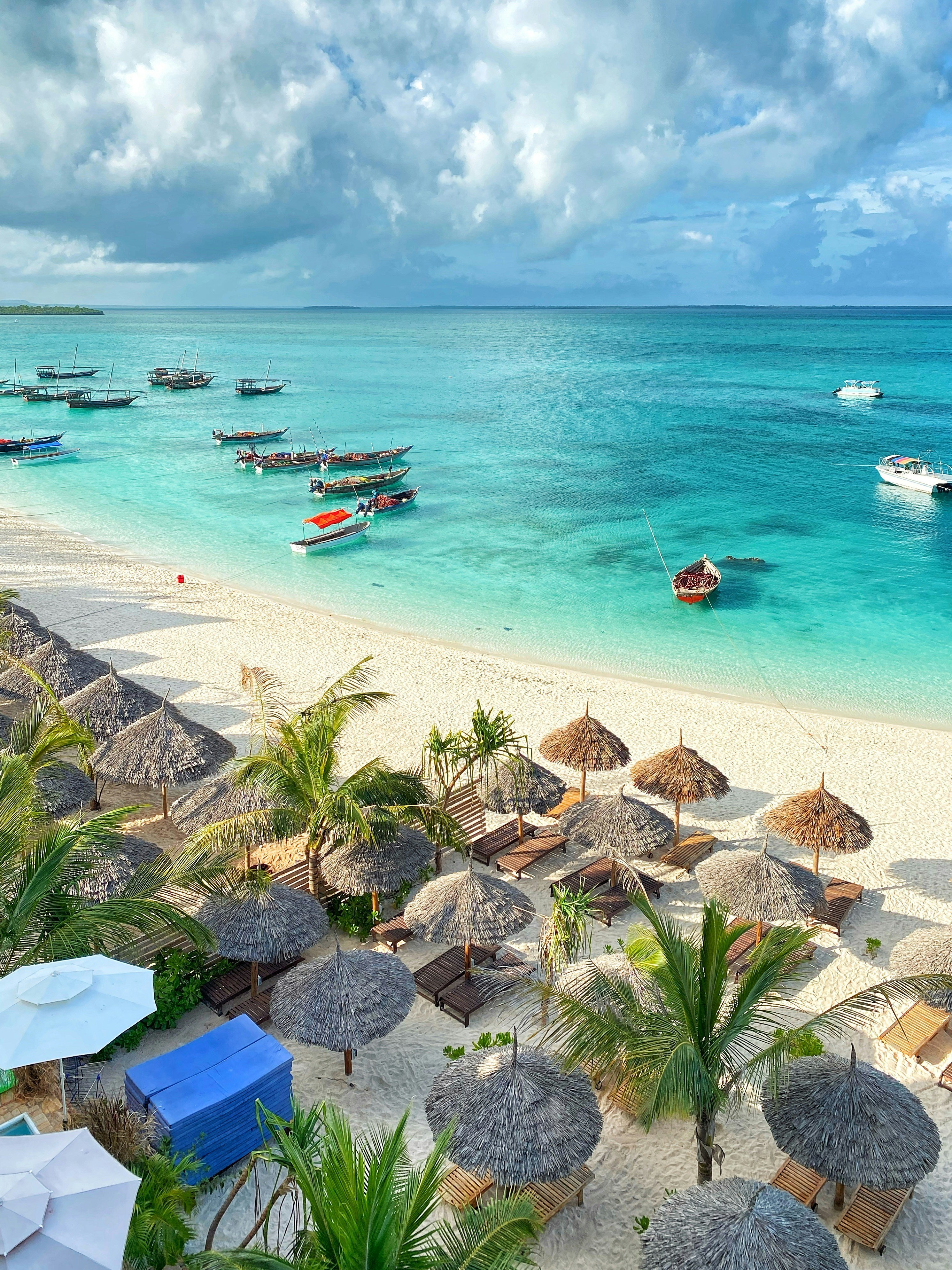
July is the height of the dry season in Tanzania, which makes it one of the best countries to visit in 2026 for wildlife. The Great Migration is moving through the Serengeti, and safari conditions are excellent. Combine the safari with a few days on Zanzibar's beaches for a perfect trip.
The weather is dry and warm, with temperatures ranging from 15°C to 27°C depending on elevation. The lack of rain means animals congregate around water sources, making them easier to spot. Zanzibar is warm and sunny, ideal for relaxing after days in the bush.
July in Tanzania is perfect for wildlife enthusiasts and honeymooners. You can witness river crossings during the migration, see the Big Five in the Serengeti and Ngorongoro Crater, and explore the spice island culture of Zanzibar. Snorkeling and diving are excellent along the coast.
Crowds are higher in popular parks, but Tanzania is vast and safaris are usually private or small groups. Prices are peak season rates, especially for lodges in prime locations, so budget accordingly.
August: Peru
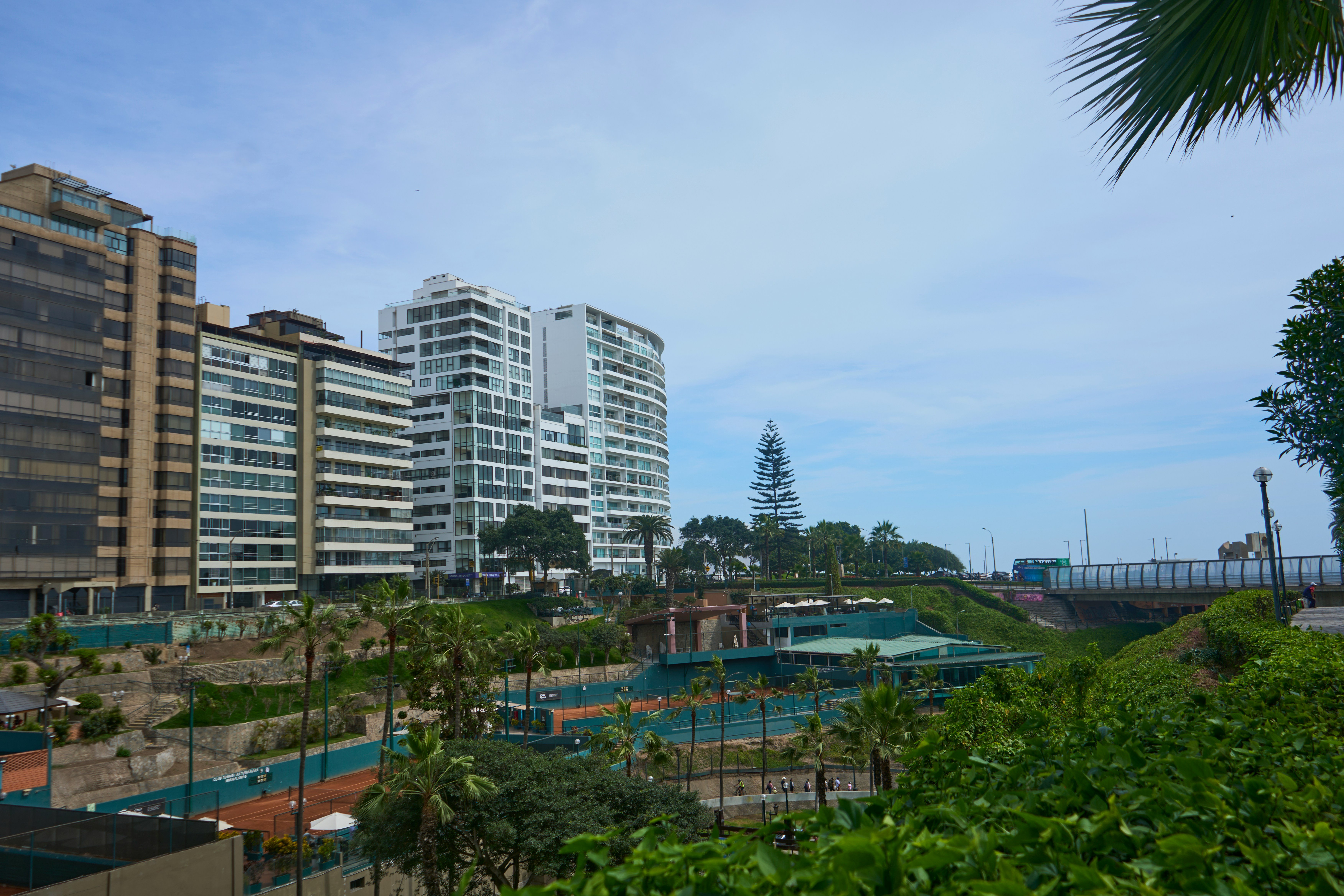
August is winter in Peru, but it's actually the best time to visit. The weather is dry and stable, which is crucial for trekking the Inca Trail or exploring Machu Picchu. Lima, Cusco, and the Sacred Valley are all at their best.
Temperatures in Cusco and the highlands are cool, ranging from 1°C at night to 19°C during the day. It's the dry season, so you won't be hiking through rain and mud. Lima on the coast is cooler and often overcast, but still pleasant. The Amazon is drier too, though it's never truly dry there.
August suits hikers, history lovers, and adventurers. The Inca Trail is open and in great condition. You can explore Cusco's markets and ruins, take the train to Machu Picchu, hike Rainbow Mountain, or head into the jungle for wildlife and river experiences.
Crowds are at their peak, especially on the Inca Trail and at Machu Picchu, which has daily entry limits. Permits sell out months ahead. Prices are higher, but the weather reliability makes it worthwhile.
September: Turkey
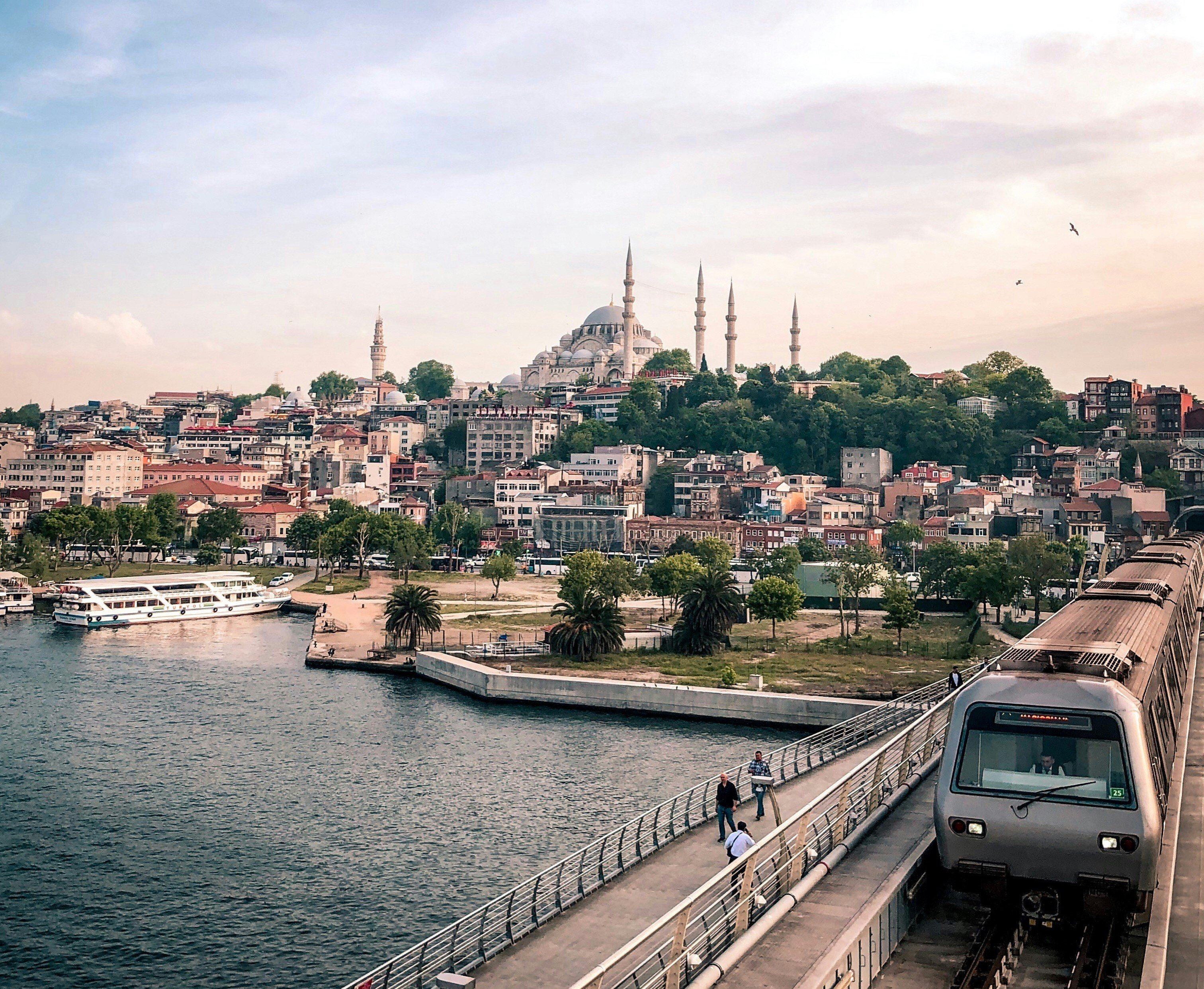
September is one of the best times to visit Turkey. Summer heat is fading, the Aegean and Mediterranean coasts are still warm and swimmable, and the crowds thin out after peak season. Istanbul is vibrant, and the coast from Bodrum to Antalya is stunning.
Temperatures along the coast range from 20°C to 28°C, perfect for beach time and exploring ruins. Istanbul is comfortably warm without the sweltering summer humidity. The interior regions like Cappadocia are also ideal in September, with clear skies and mild days.
Turkey in September is great for all types of travelers. You can explore ancient sites like Ephesus, sail along the Turquoise Coast, wander through Istanbul's bazaars and mosques, or take a hot air balloon ride over Cappadocia's fairy chimneys.
Crowds are lighter than July and August, and prices drop noticeably after the summer rush. Accommodations are easier to book, and you'll have more space at popular attractions.
October: Australia
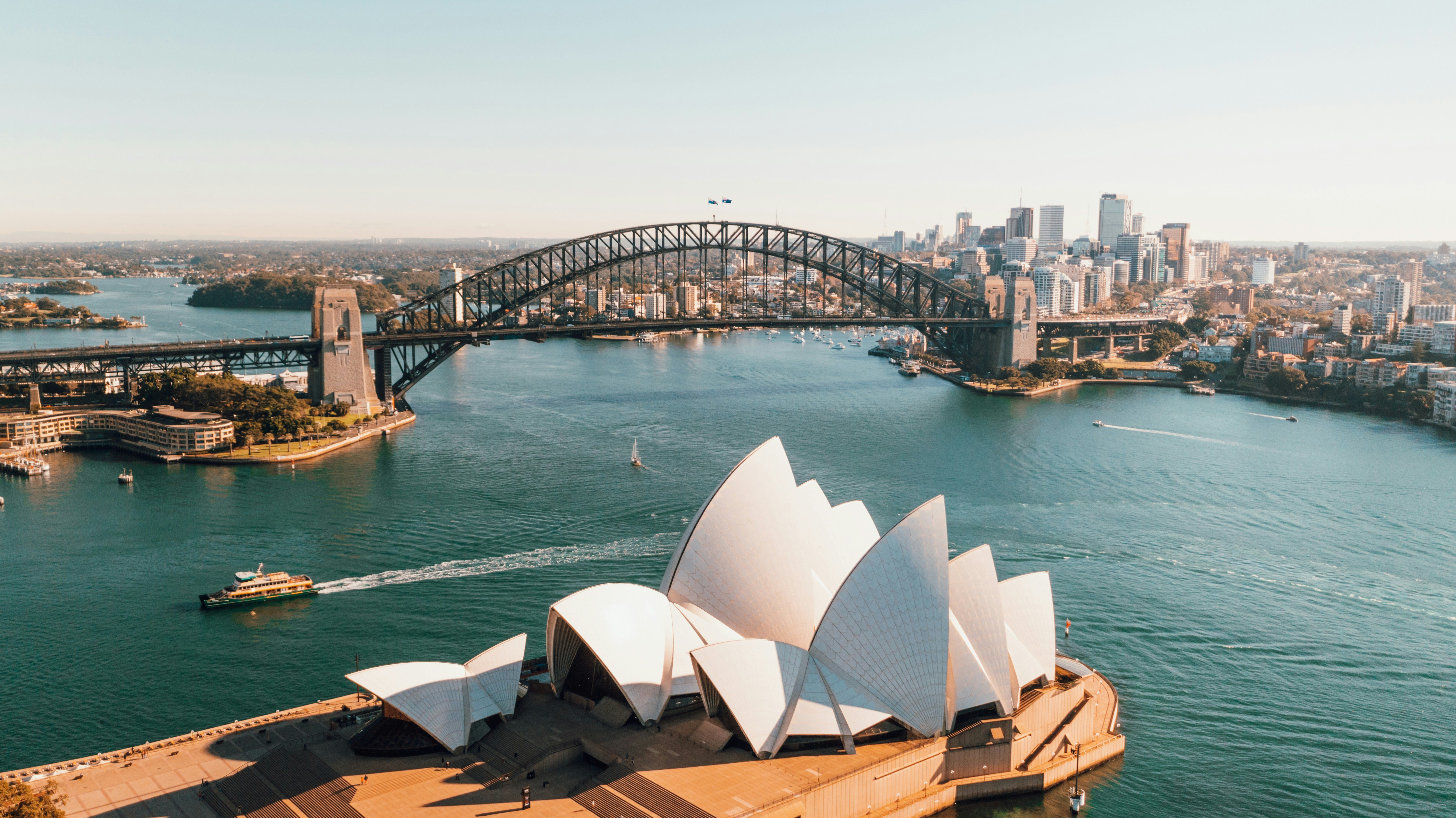
October is spring in Australia, and it's one of the best months to explore the country. The weather is warming up without being scorching, and it's before the summer holiday madness. Sydney, Melbourne, and the Great Barrier Reef are all excellent in October.
Sydney's weather ranges from 14°C to 23°C, ideal for beach days and outdoor activities. The Great Barrier Reef sees calm seas and good visibility, and the water is warming up. Melbourne is blooming and unpredictable as always, but generally pleasant.
October suits beach lovers, divers, and city explorers. You can snorkel or dive the Reef, surf the east coast, explore Sydney's harbor and food scene, take the Great Ocean Road, or head inland to wine regions like the Barossa Valley. Wildlife is active, and you'll spot kangaroos, koalas, and unique birds.
Crowds are moderate. It's not peak Australian summer, so international tourists are fewer and prices are more reasonable. It's a sweet spot for value and weather.
November: Vietnam
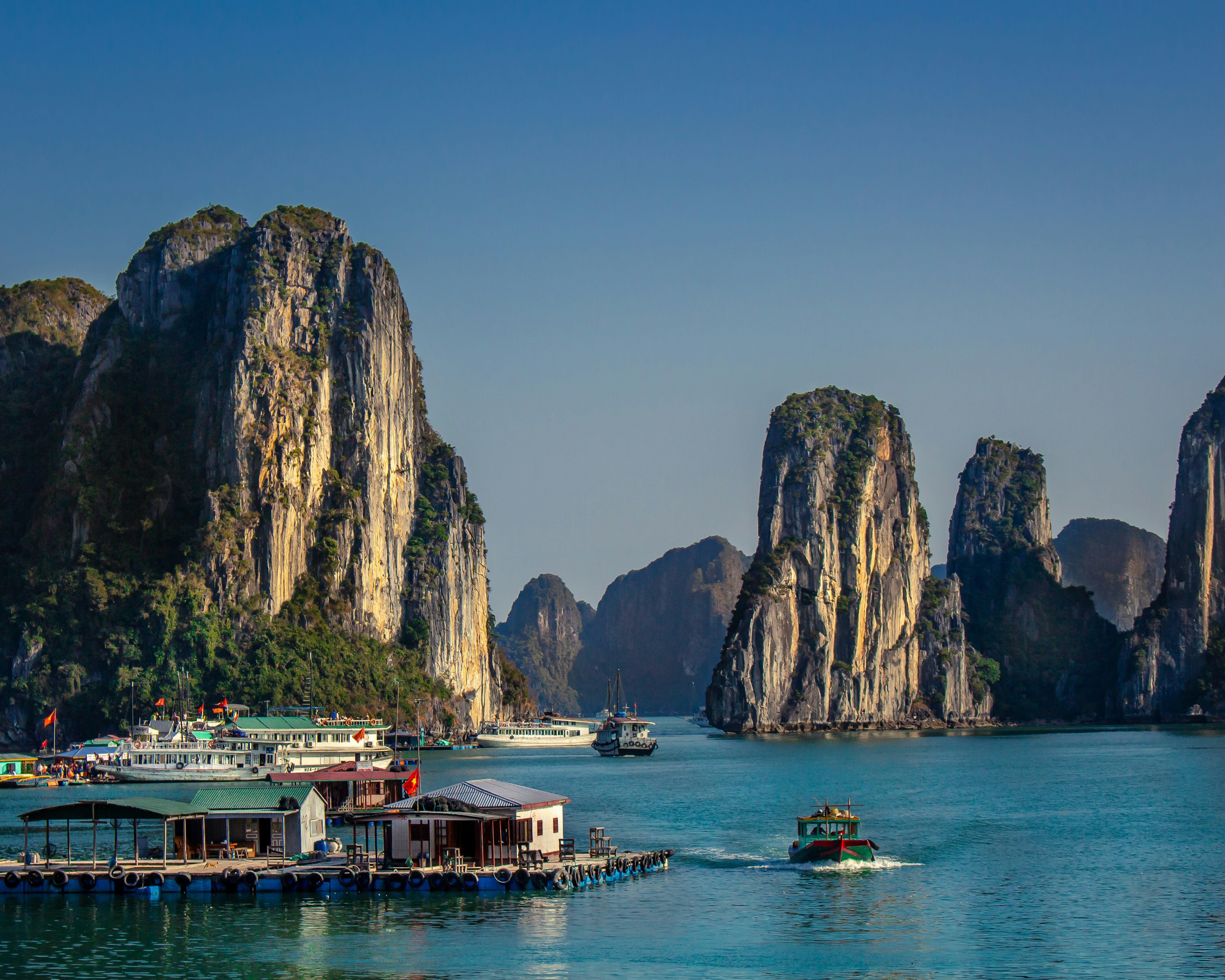
November is the start of the dry season in Vietnam, and it's one of the best times to visit the entire country. Hanoi and the north are cooling down, central Vietnam around Hoi An and Hue is at its best, and the south including Ho Chi Minh City and the Mekong Delta is fresh and sunny.
Temperatures in Hanoi range from 18°C to 25°C, perfect for street food tours and exploring the Old Quarter. Central Vietnam is warm and dry, great for beach time in Da Nang and exploring the ancient town of Hoi An. The south is warm with lower humidity, around 25°C to 30°C.
Vietnam in November is ideal for foodies, culture seekers, and beach lovers. You can cruise Ha Long Bay, eat your way through Hanoi's street stalls, cycle through rice paddies, relax on the beaches of Hoi An, and explore the energy of Saigon.
Crowds are picking up as the high season begins, but November is quieter than December and January. Prices are moderate, and you'll find good availability for hotels and tours.
December: New Zealand
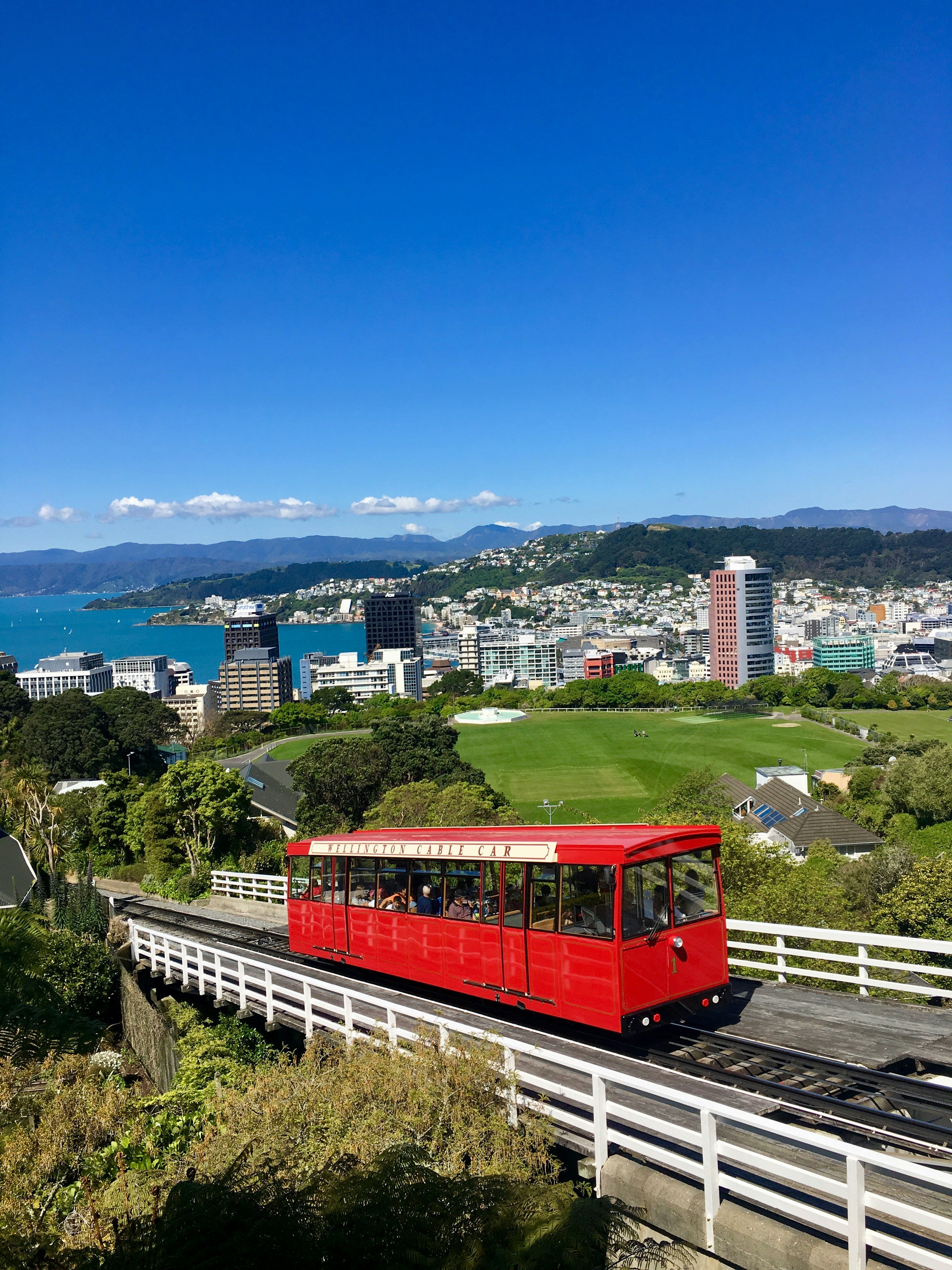
December is the start of summer in New Zealand, and it's one of the best places to travel in 2026 if you want warm weather and outdoor adventures. Both the North and South Islands are accessible and stunning. Queenstown, Auckland, and the Bay of Islands are highlights.
Temperatures range from 15°C to 25°C depending on where you are. The South Island is slightly cooler but perfect for hiking and exploring fjords. The North Island is warmer and great for beaches and geothermal areas. The days are long, giving you plenty of time to explore.
December suits adventure travelers and nature lovers. You can bungee jump in Queenstown, hike the Milford or Routeburn Tracks, explore geothermal zones in Rotorua, sail the Bay of Islands, or road trip through wine country in Marlborough.
Crowds build toward Christmas and New Year, so book accommodations and activities early. Prices rise as summer progresses, but early December offers better value. This is one of the best months for exploring Middle-earth landscapes and outdoor thrills.
Travel Better

Travel in 2026 doesn't have to be rushed or random. When you plan around the seasons and match destinations to the right month, you end up with better weather, more authentic experiences, and fewer crowds competing for the same photos. This guide gives you a starting point for finding the best places to travel in 2026 based on when you can actually go.
The key is to be intentional. Don't just pick a country because it's trending. Think about what you want from the trip, check the weather and local events, and choose the timing that makes sense. Traveling during shoulder seasons saves money and gives you more room to breathe. Traveling during peak seasons puts you right in the middle of the action.
No matter when or where you decide to go, make sure you're experiencing destinations the way locals do. That's where the real travel magic happens.
Ready to explore like a local? Lokafy connects travelers with experienced local guides who can show you the hidden gems, authentic flavors, and real culture of any destination. Skip the tourist traps and dive into genuine experiences that make your trip unforgettable. Visit Lokafy to find your perfect local guide and start planning smarter travel in 2026.
Enjoyed this article?