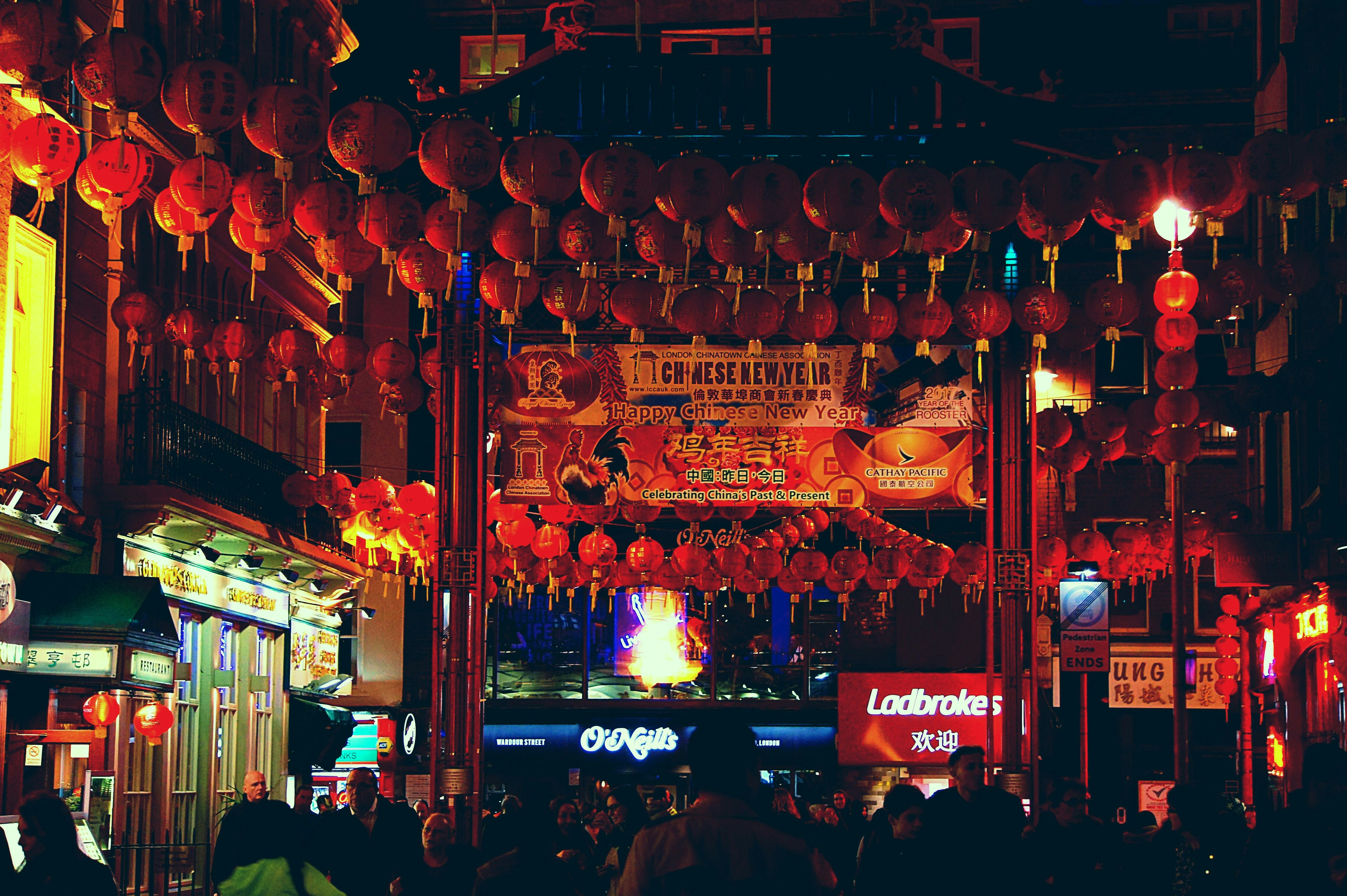
Chinese New Year is one of the biggest travel periods in the world. More than a billion people celebrate it, and the celebrations last for weeks. If you're thinking about traveling during this time, you need to know what you're getting into. This isn't just another holiday, it's a massive cultural event that changes how entire countries operate.
Traveling during Chinese New Year can be incredible or incredibly frustrating depending on how you plan it. You'll see festivals that happen nowhere else, eat food that only appears this time of year, and experience traditions that go back thousands of years. But you'll also face crowds, closures, and price increases if you don't prepare properly.
This guide tells you everything you need to know about Chinese New Year travel so you can make smart decisions about where to go, when to book, and what to expect.
What Is Chinese New Year and Why Does It Matter for Travelers
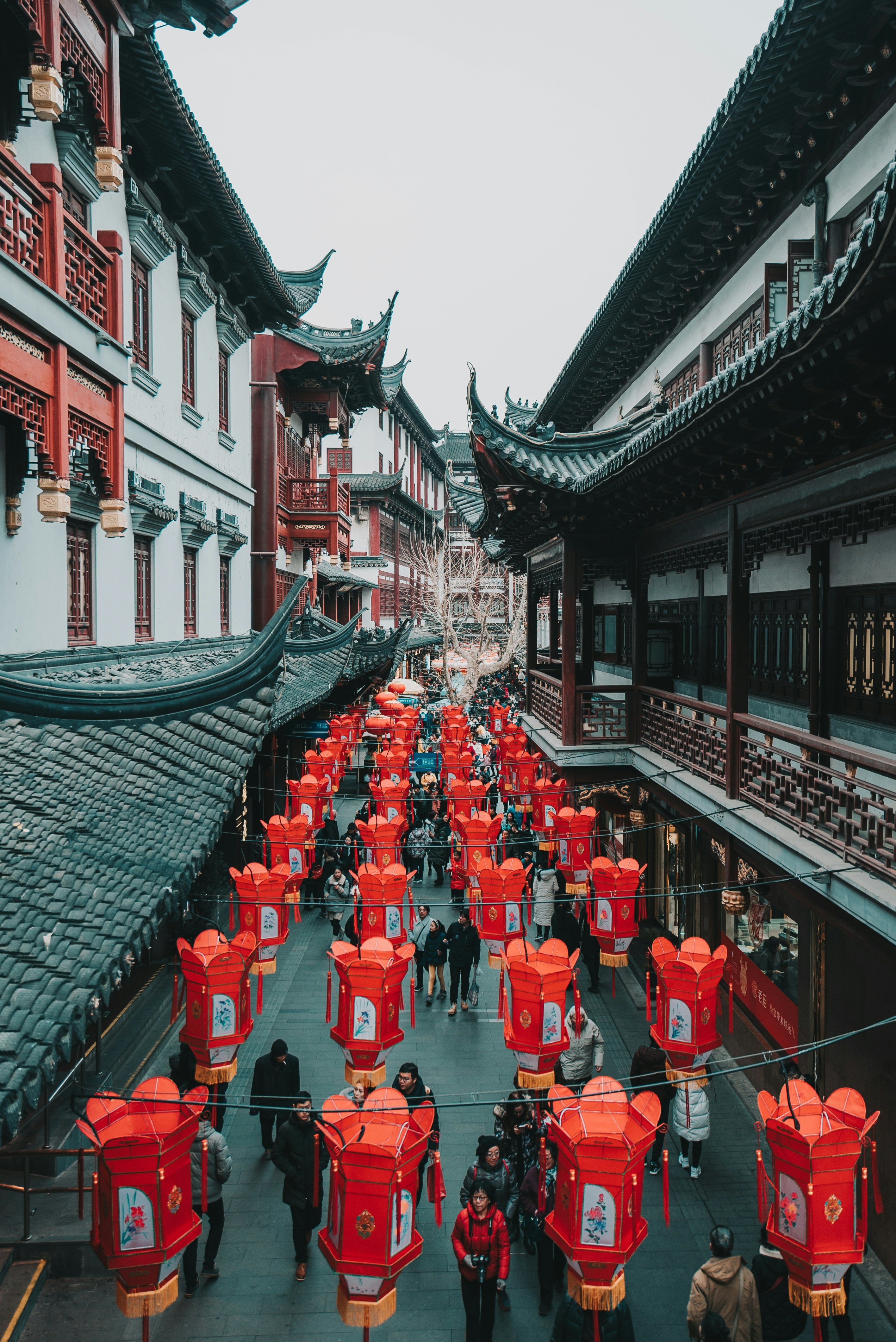
Chinese New Year is also called Lunar New Year or Spring Festival. It follows the lunar calendar, so the date changes every year but always falls between January 21 and February 20. The celebration officially lasts 15 days, but the holiday period when businesses close and people travel home typically spans about a week.
This holiday matters for travelers because it affects huge parts of Asia. China sees the largest human migration on Earth during this period. Hundreds of millions of people travel home to be with family. Singapore, Malaysia, Vietnam, South Korea, and other countries with significant Chinese populations also celebrate it.
For travelers, this means two things. First, you can experience authentic cultural celebrations that don't happen any other time. Second, you need to plan carefully because transportation gets packed, hotels fill up, and many businesses close.
Best Places to Visit for Chinese New Year
The best Chinese New Year trips depend on what kind of experience you want. Some cities go all out with public celebrations while others become quieter as locals leave town.
Hong Kong
Hong Kong throws one of the best Chinese New Year festivals in the world. The city hosts massive flower markets in the days before the new year, a huge parade on the first day, and spectacular fireworks over Victoria Harbour. Temples fill with people praying for good fortune. The city stays lively because it's built for tourists and most attractions remain open.
Singapore
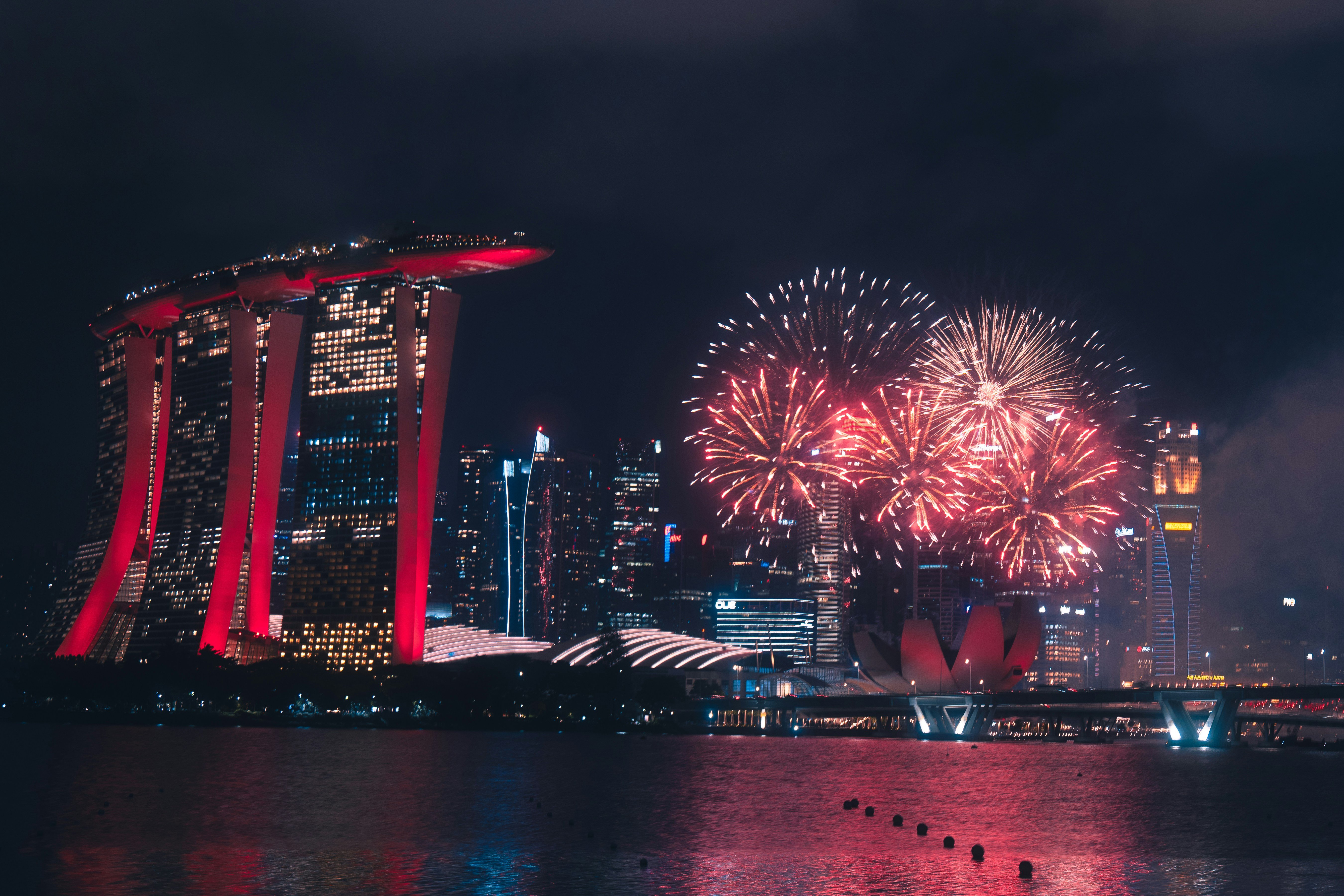
Singapore makes Chinese New Year accessible for international visitors. Chinatown transforms with street decorations and night markets. The Chingay Parade features thousands of performers. River Hongbao is a large festival with carnival rides, performances, and food stalls. English is widely spoken, making it easy to understand what's happening.
Taipei
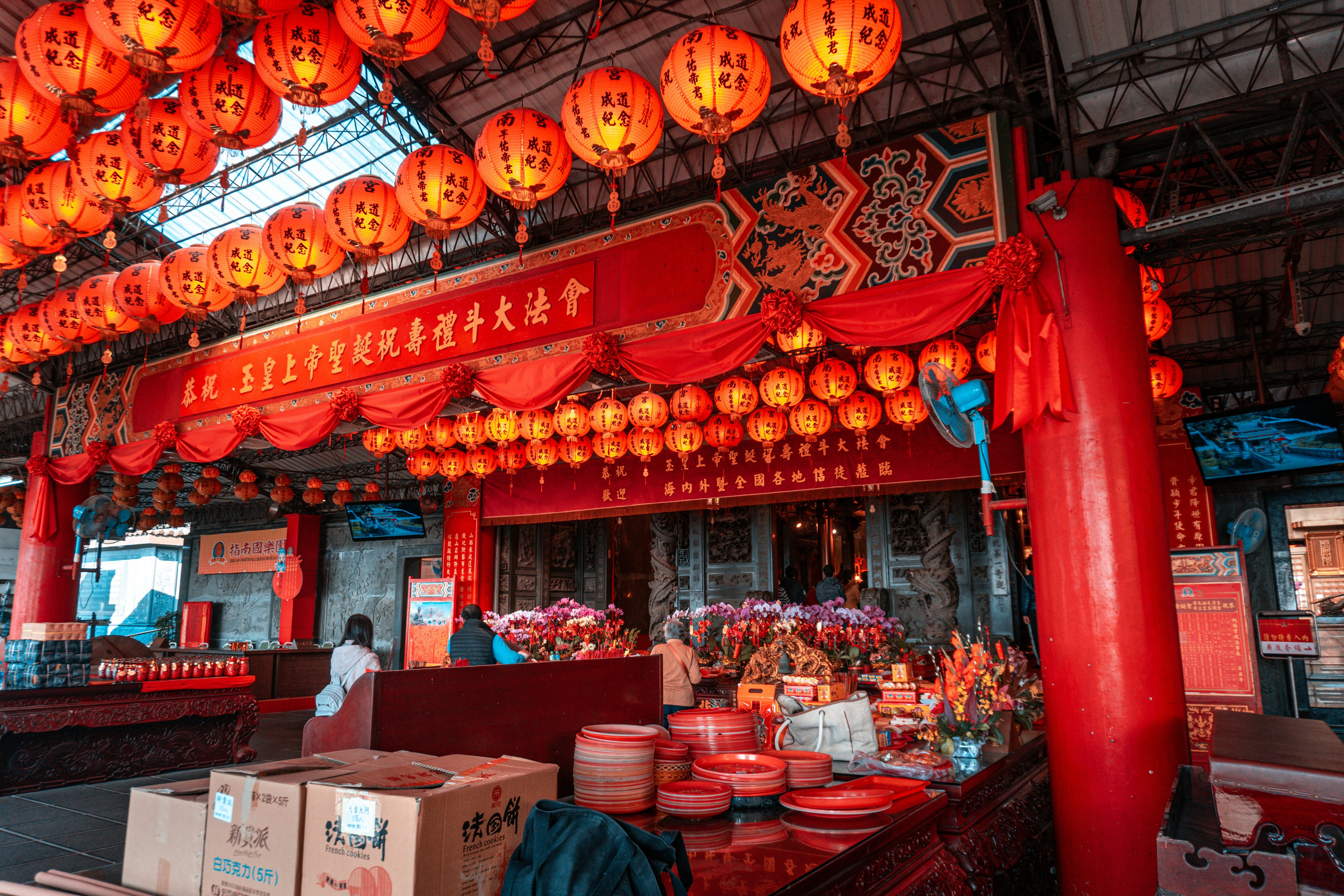
Taiwan celebrates Chinese New Year intensely but keeps more traditional elements than some other places. Taipei has temple fairs, traditional performances, and the famous Pingxi Sky Lantern Festival where thousands of lanterns light up the night sky. The city is more manageable than mainland Chinese cities during this period.
Bangkok
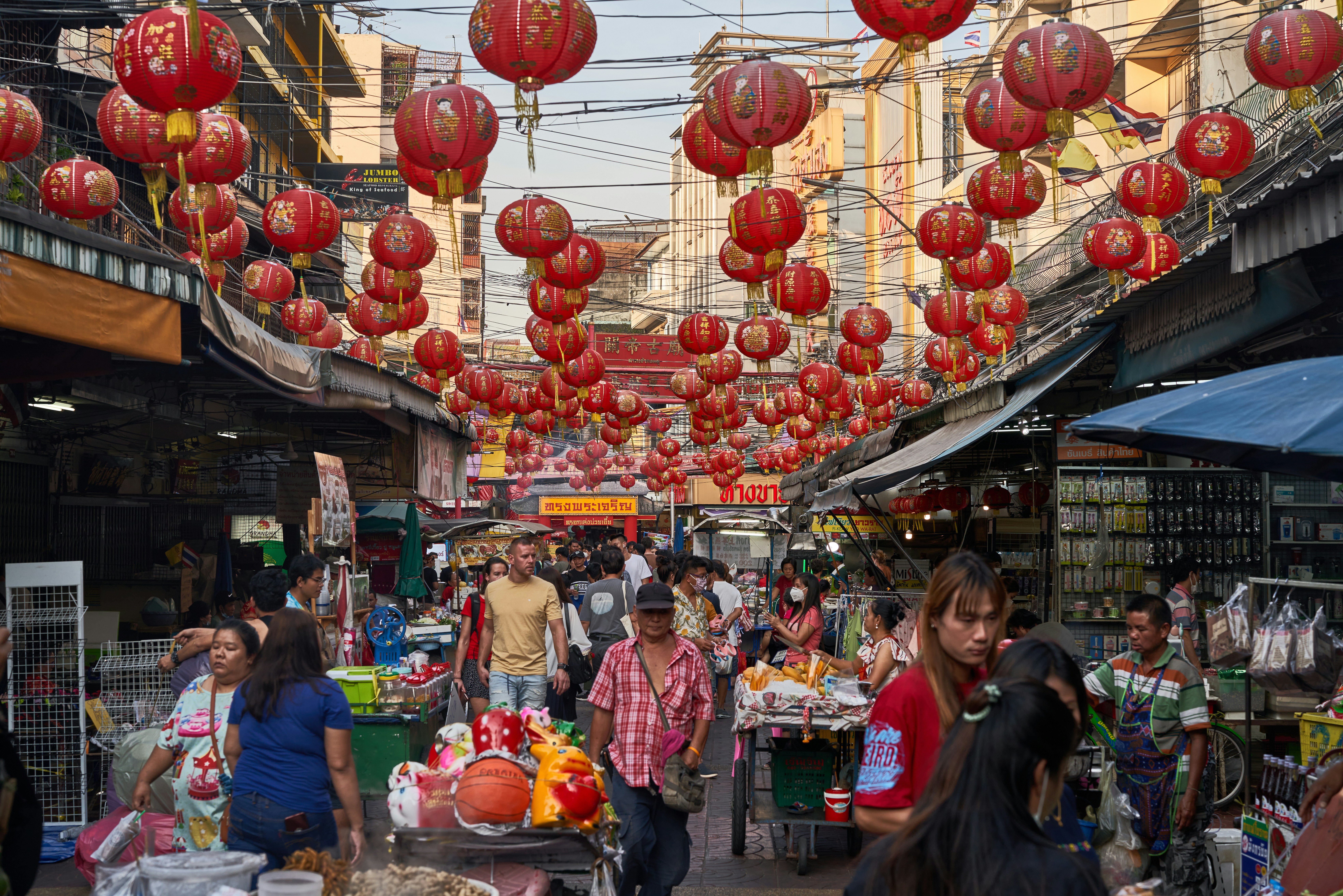
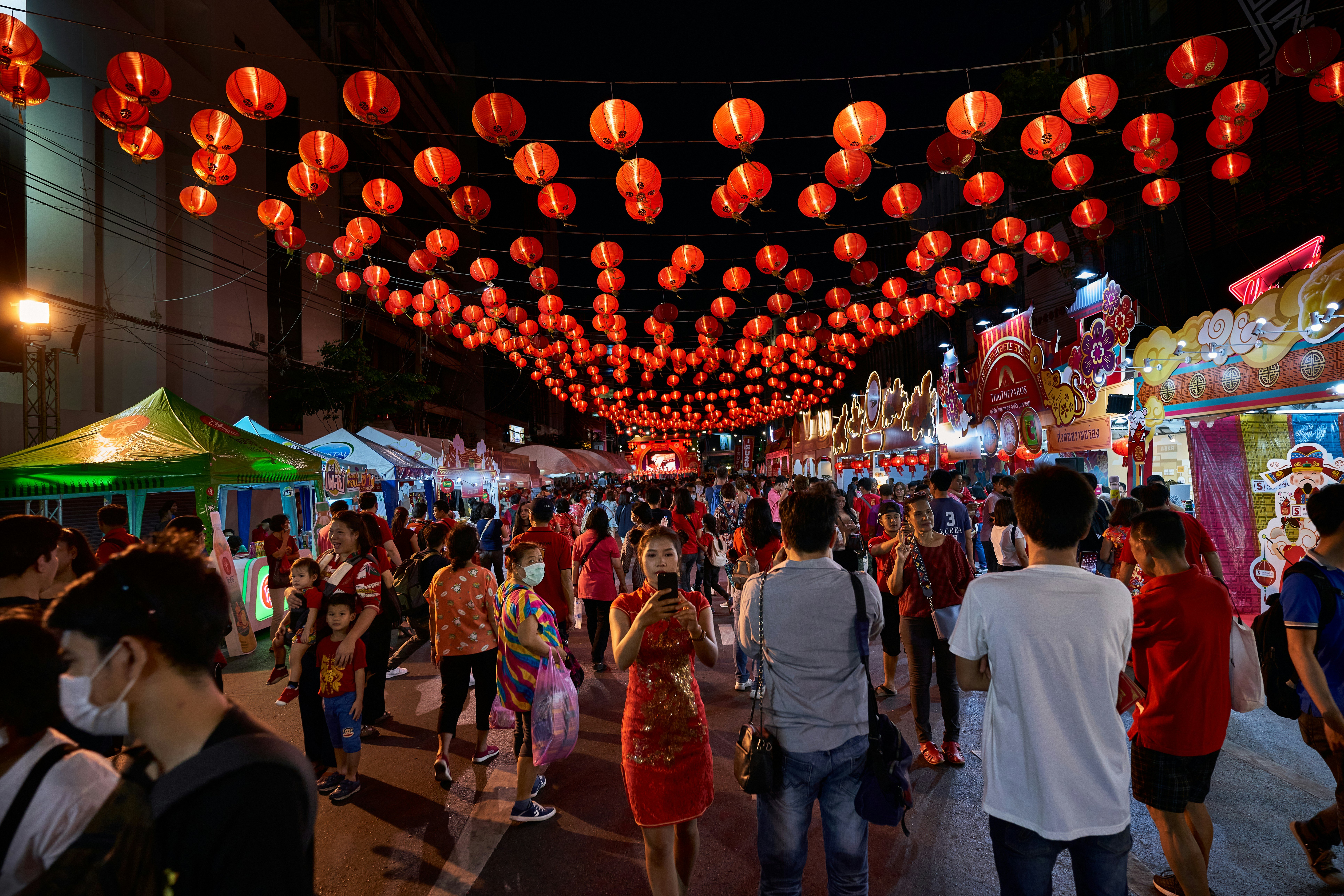
Bangkok has a large Chinese Thai community and celebrates with street festivals in Chinatown. Yaowarat Road closes to traffic and becomes a walking street full of food stalls, performances, and dragon dances. It's less overwhelming than celebrations in majority Chinese areas but still authentic.
Beijing and Shanghai
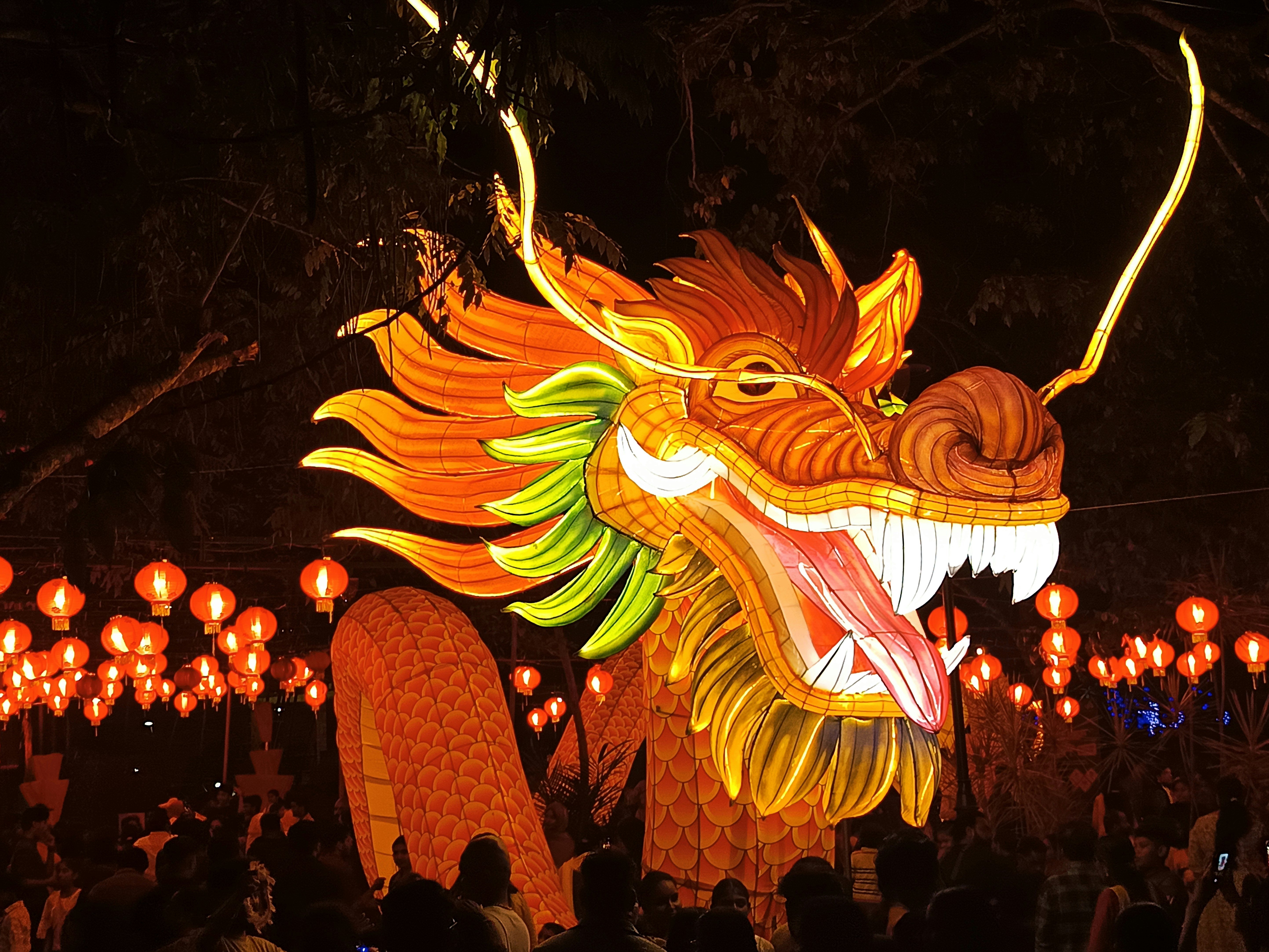
Mainland Chinese cities offer the most traditional celebrations but come with serious challenges. Temple fairs in Beijing showcase folk performances, traditional crafts, and local snacks. Shanghai lights up with decorations. However, many restaurants and shops close for the holiday, locals leave the cities, and transportation gets chaotic. These destinations work better for experienced travelers who have been to China before.
Kuala Lumpur
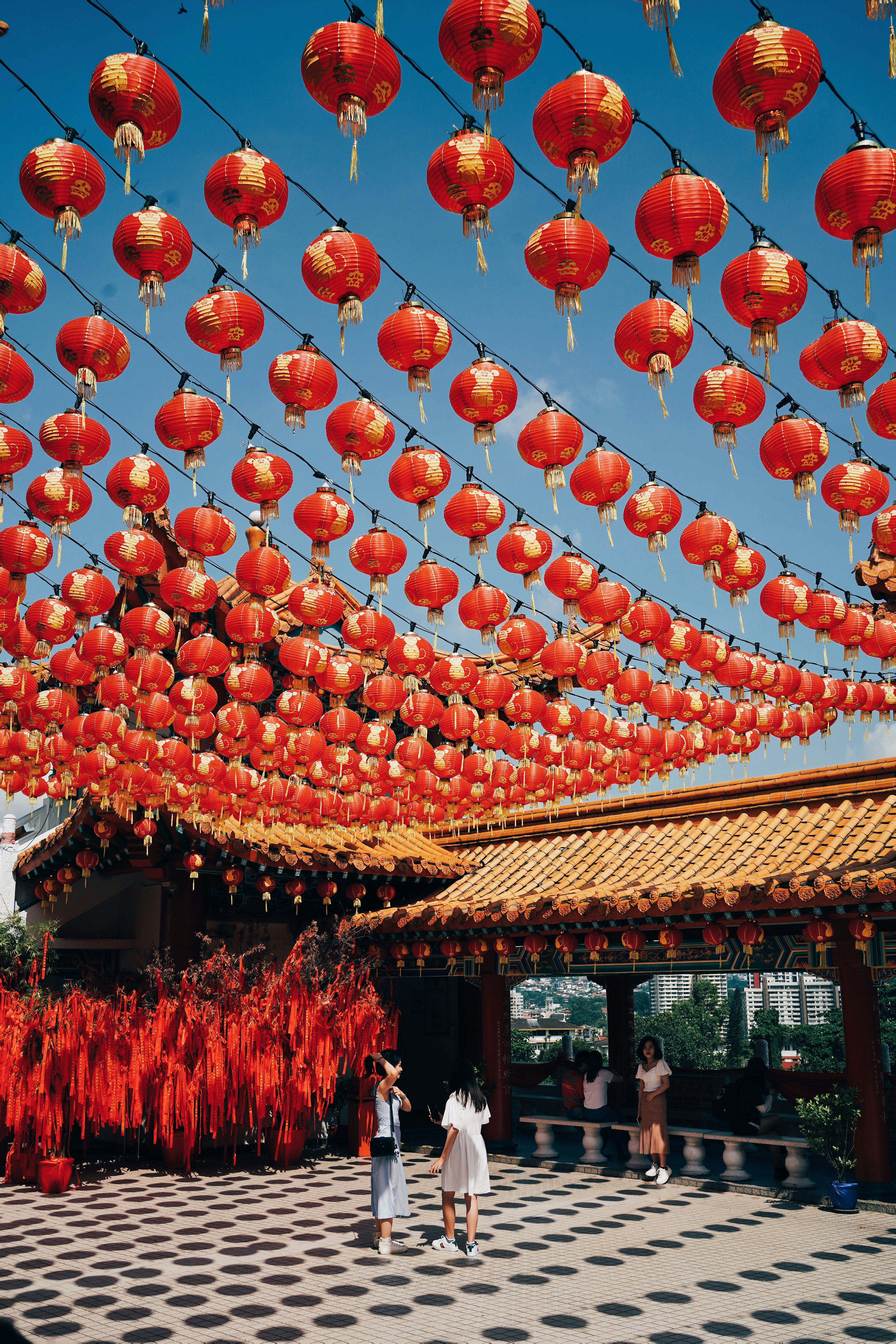
Malaysia celebrates Chinese New Year as a national holiday. Kuala Lumpur has open houses where families welcome visitors, night markets, and cultural performances. The mix of Malay, Chinese, and Indian cultures creates a unique atmosphere.
What to Expect During Chinese New Year Travel
Where to travel for Chinese New Year is only part of the equation. You also need to know what traveling during this period actually looks like.
Crowds and Transportation
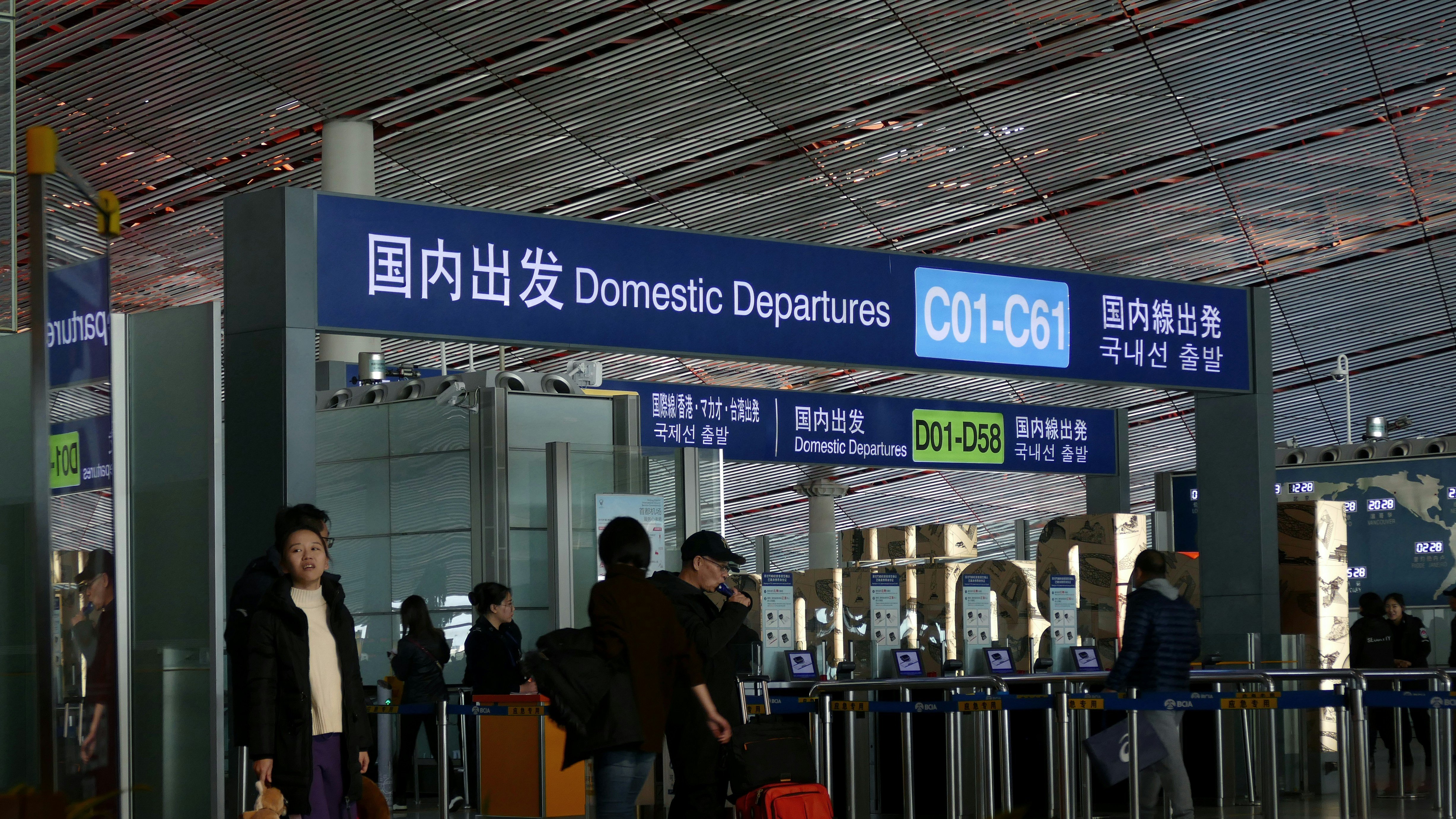
Transportation during Chinese New Year becomes extremely difficult in mainland China. Train tickets sell out weeks in advance. Airports pack with travelers. Roads fill with traffic. If you're traveling within China during this period, book everything as early as possible and expect delays.
In other Asian cities with Chinese populations, transportation gets busier but remains manageable. Expect fuller trains, buses, and tourist sites, but not the chaos you'd see in China itself.
Business Closures
Many businesses close during Chinese New Year, especially smaller family run shops and restaurants. In mainland China, closures can last a week or more. In Singapore, Hong Kong, and other international cities, major tourist areas and chains stay open, but neighborhood spots often close for a few days.
Museums, attractions, and hotels typically remain open in tourist friendly cities. However, always check specific opening hours before you go.
Prices and Availability
Hotel prices increase significantly during Chinese New Year, sometimes doubling or tripling normal rates. Flights to and within Asia cost more. Popular restaurants that do stay open may require reservations. Book accommodation at least two months in advance. Three months is better for major cities like Hong Kong and Singapore.
Festival Atmosphere
The upside to all these challenges is the festival atmosphere. Cities decorate streets with red lanterns and golden ornaments. Families gather for reunion dinners. Temples overflow with worshippers. Markets sell special holiday foods. Dragon and lion dances happen in public squares. Fireworks light up the sky at midnight on New Year's Eve.
Chinese New Year festivals create an energy that doesn't exist any other time. Even commercial areas embrace tradition. It's one of the few times modern Asian cities slow down and focus on heritage.
Cultural Etiquette and What Travelers Should Know
Understanding Chinese New Year customs helps you respect local culture and get more out of your trip. You don't need to follow every tradition, but knowing them prevents awkward situations.
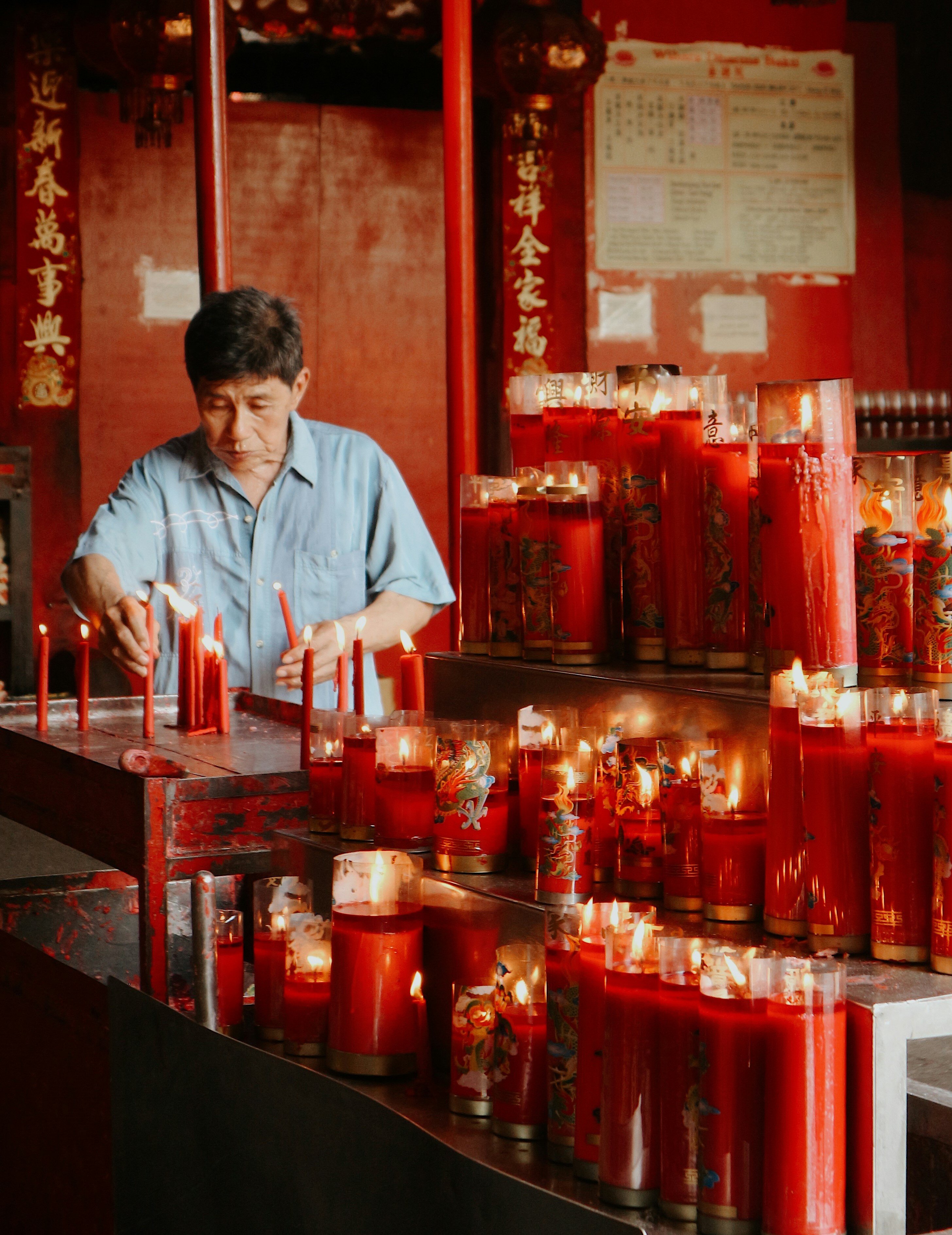
Red symbolizes good luck and happiness. You'll see red everywhere, from decorations to clothing. Gold represents wealth and prosperity. White is associated with funerals and should be avoided during celebrations.
People give red envelopes called hongbao or lai see filled with money to children and unmarried young adults. As a tourist, you're not expected to give these, but if you're staying with a local family, it's a thoughtful gesture to give small amounts to children.
Avoid negative words and topics during Chinese New Year. Don't talk about death, illness, or failure. People believe words spoken during this time can influence the whole year. Keep conversations positive.
Many people visit temples to pray during Chinese New Year. If you visit temples, dress modestly. Don't point at statues with your index finger. Watch what locals do and follow their lead. Taking photos is usually fine, but ask if you're unsure.
Cleaning before Chinese New Year is important because it sweeps away bad luck from the old year. But people avoid cleaning on New Year's Day itself because they might sweep away good fortune. As a hotel guest, this won't affect you, but it's an interesting context for why you might see intense cleaning in the days before the holiday.
Food, Markets, and Experiences You Should Not Miss
Food is central to Chinese New Year travel. Specific dishes eaten during this period carry symbolic meaning and appear on every dinner table.
Dumplings represent wealth because their shape resembles ancient Chinese gold ingots. Fish symbolizes abundance because the Chinese word for fish sounds like the word for surplus. Long noodles represent long life, so they're never cut. Sweet rice cakes called nian gao symbolize progress and growth.
Reunion dinners happen on New Year's Eve. Families gather for elaborate meals that last hours. Unless you know a local family, you won't attend a home reunion dinner, but many restaurants offer special reunion menus. These give you a taste of traditional dishes in one meal.
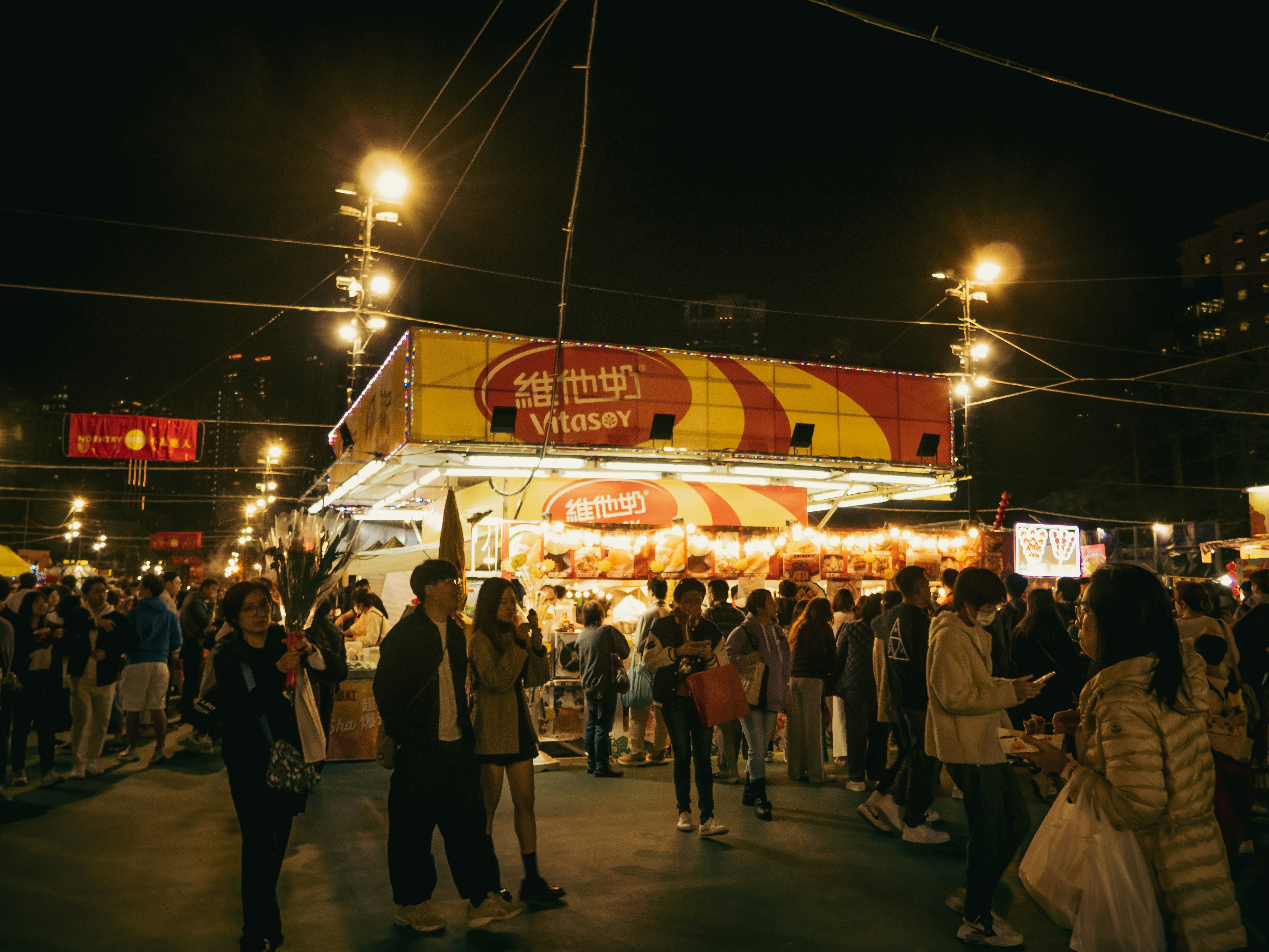
Night markets and flower markets pop up before Chinese New Year. Hong Kong's flower markets are particularly famous. Locals buy blooming plants believed to bring luck. Peach blossoms attract romance. Kumquat trees promise prosperity. Even if you don't buy anything, walking through these markets shows you how seriously people take new year preparations.
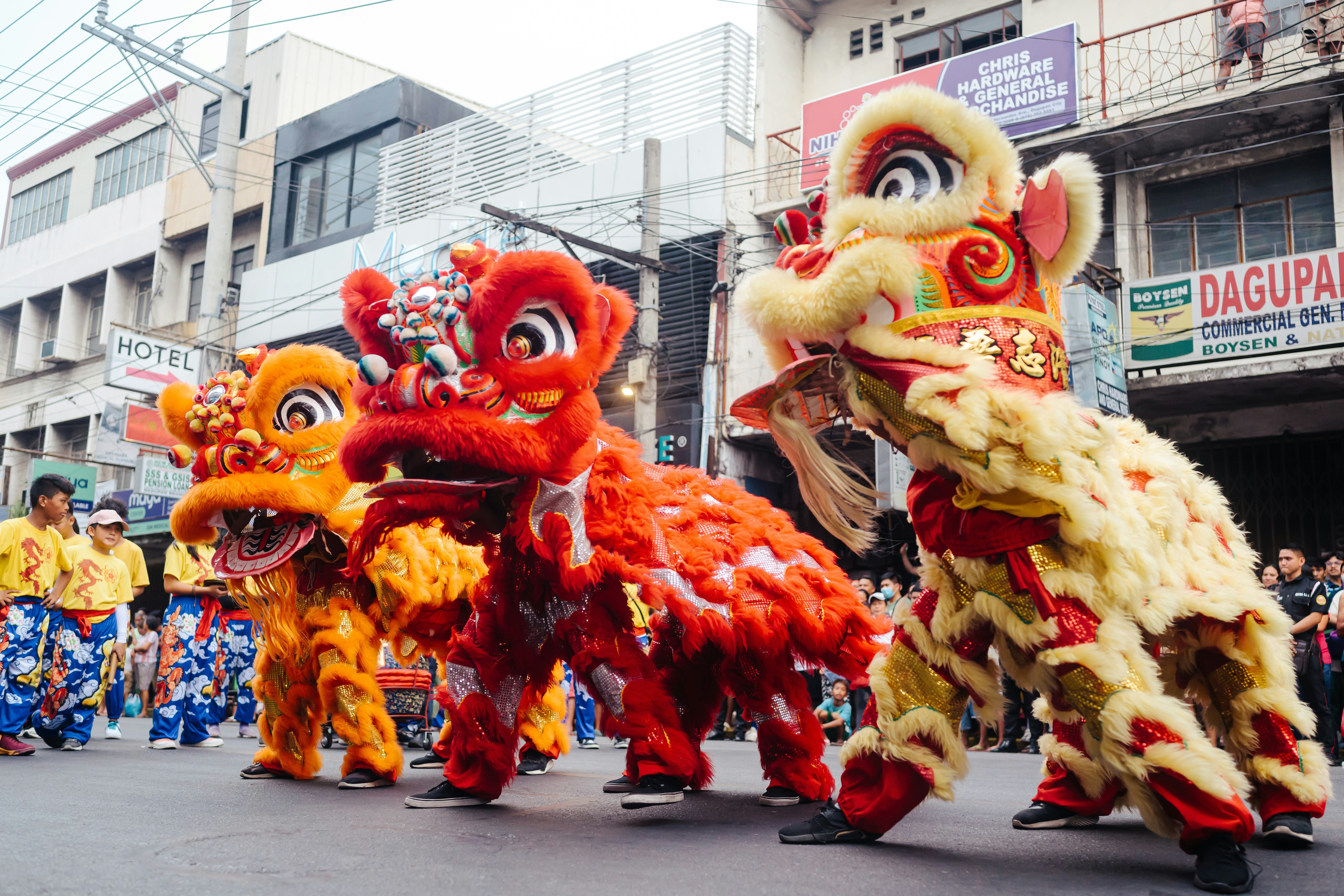
Street parades happen in most cities celebrating Chinese New Year. Dragon dances and lion dances are highlights. Performers manipulate massive dragon puppets through streets while drums and cymbals create thunderous noise meant to scare away evil spirits. Lion dances involve acrobatic performers in lion costumes visiting businesses to bring good luck.
Temple fairs in cities like Beijing offer the most traditional experience. You'll find folk performances, traditional snacks, calligraphy demonstrations, and games that have been played for centuries. These fairs get extremely crowded but showcase culture that's disappearing from everyday life.
Fireworks and firecrackers traditionally scare away evil spirits. Many cities have banned firecrackers because of safety and pollution concerns, but organized fireworks displays still happen. Hong Kong's Victoria Harbour fireworks and Singapore's Marina Bay display are particularly impressive.
Chinese New Year Travel Tips for Planning Your Trip
Practical planning makes the difference between a smooth trip and a stressful one during this busy period.
Book flights and hotels at least two months ahead. Prices only increase as Chinese New Year approaches. If you're flexible on dates, traveling a few days after the new year can save money. The first three days are when celebrations peak and prices max out.
Check the exact dates each year because Chinese New Year moves around. The holiday falls on a different date annually based on the lunar calendar. Once you know the dates, plan to arrive a day or two before New Year's Eve to experience the buildup or arrive after the first few days when crowds thin out slightly.
Pack red clothing if you want to blend in with celebrations. You're not required to wear red, but it's festive and appropriate. Comfortable walking shoes matter more than fashion because you'll be on your feet exploring markets and watching parades.
Download translation apps if you're visiting areas where English isn't widely spoken. During Chinese New Year, even staff who normally speak English may be replaced by temporary workers or family members helping out.
Research what's open before you arrive. Check if your planned restaurants, attractions, and shops operate during the holiday. Make a backup list of places that stay open. Hotel concierges can help, but having your own research prevents disappointment.
Carry cash because some smaller vendors don't accept cards, especially at markets and street celebrations. ATMs stay operational, but it's smart to have cash on hand.
Be patient with service during this period. Staff are often overworked, businesses are understaffed, and everyone is dealing with unusual crowds. A little patience goes a long way.
Who Should Travel During Chinese New Year
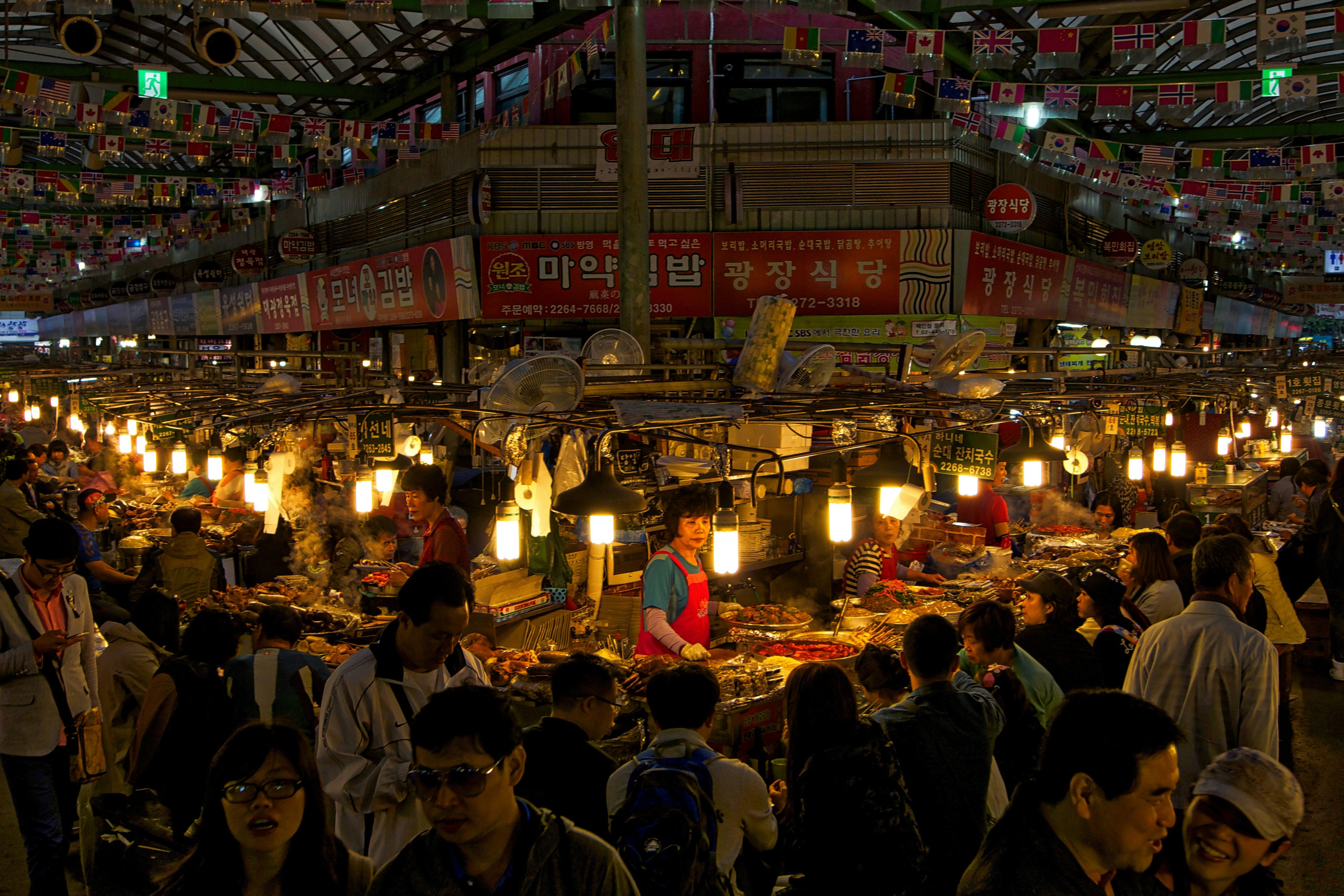
Chinese New Year travel works great for certain travelers but isn't ideal for everyone. This is an excellent time to travel if you want authentic cultural experiences. You'll see traditions practiced by locals, not performances staged for tourists. The atmosphere is genuinely festive. People are generally in good moods despite the chaos.
Families traveling with children often enjoy Chinese New Year because there's lots to see and do. Parades, fireworks, and colorful decorations keep kids entertained. The holiday is family focused, so attractions cater to all ages.
Food lovers should consider traveling during Chinese New Year. You'll eat dishes that only appear this time of year. Markets overflow with special snacks. Restaurants showcase their best cooking.
However, Chinese New Year travel isn't ideal for everyone. If you prefer quiet, uncrowded destinations, this isn't your time. If you want every restaurant and shop open with full menus and services, travel another time. If you're on a tight budget, higher prices during this period might strain your wallet.
First time visitors to Asia might find Chinese New Year overwhelming. Managing transportation, closures, and crowds requires some travel experience. If it's your first trip to the region, consider whether you want your introduction to happen during the busiest time of year.
Business travelers should avoid Chinese New Year entirely. Offices close, meetings get canceled, and getting work done becomes nearly impossible.
Experience Chinese New Year Like a Local
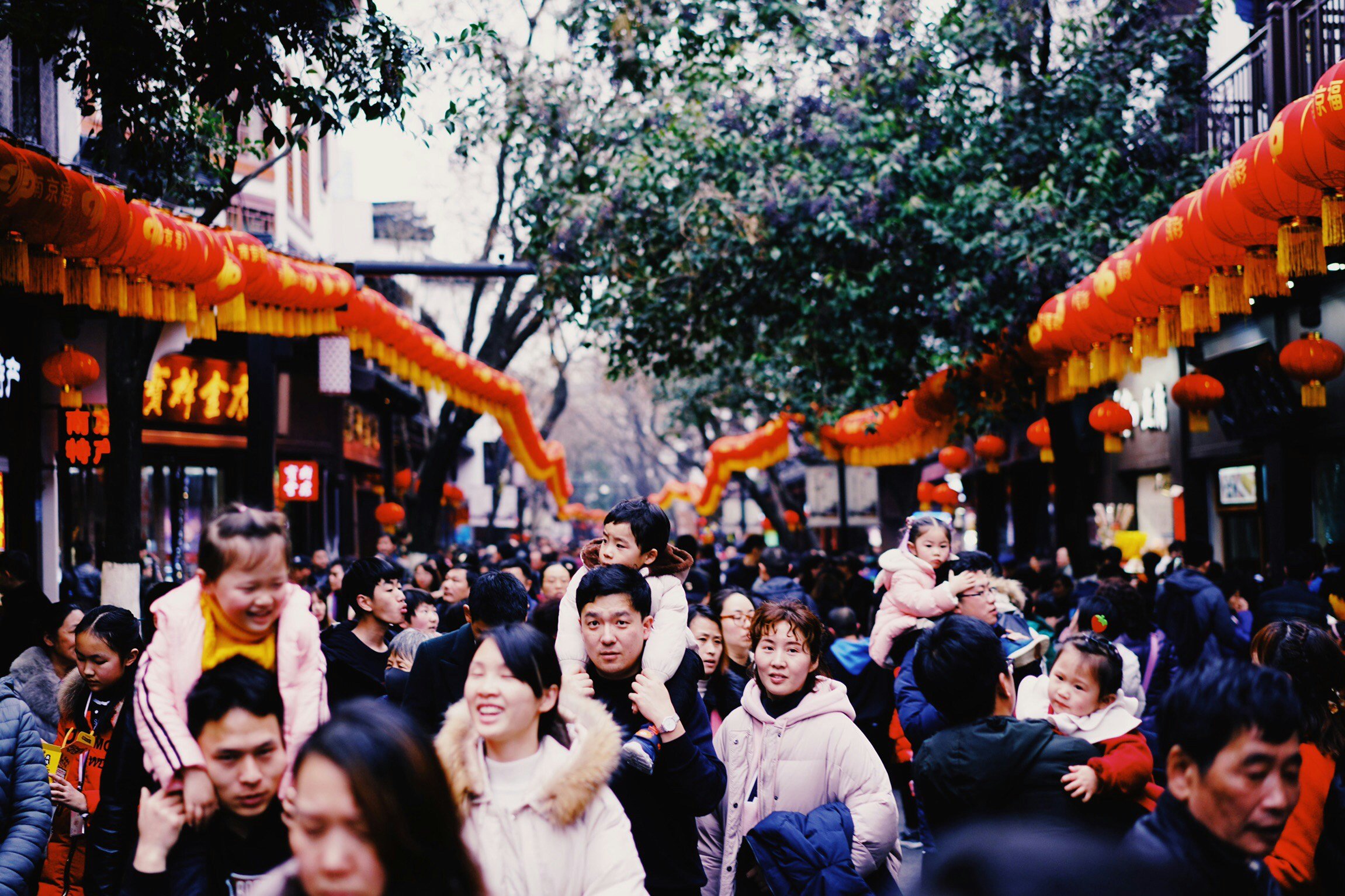
The difference between a good Chinese New Year trip and a great one often comes down to having local insight. You can read guides and follow tourist maps, but nothing replaces having someone who actually lives in the city show you around.
This is where Lokafy comes in. Instead of following generic tourist routes and eating at restaurants that cater to foreigners, Lokafy connects you with local city hosts who live in the places you're visiting. These aren't professional tour guides reading scripts. They're real people who know their cities inside and out.
During Chinese New Year, this local knowledge matters even more. A local host knows which temple fairs are worth visiting and which are tourist traps. They know where to find the best reunion dinner if you don't have family to celebrate with. They can take you to neighborhood celebrations that never appear in guidebooks. They understand the cultural significance of what you're seeing instead of just pointing at decorations.
Lokafy hosts customize experiences based on what you actually want to do. Want to learn how to make dumplings from scratch? They can arrange it. Curious about why specific traditions exist? They'll explain the stories behind them. Looking for the real local spots where families eat? They know exactly where to go.
Traveling during Chinese New Year gives you a window into culture that's normally hidden. Having a local by your side helps you understand what you're seeing and participate in meaningful ways. It transforms you from an observer watching celebrations happen around you into someone actually experiencing them. Check out Lokafy before your trip and connect with a host in your destination city. It's the smartest way to make sure your Chinese New Year travel becomes the experience you're hoping for.
Enjoyed this article?