You've just landed in a city you've never visited before. The hotel shuttle takes you straight to a conference venue where you'll spend the next three days in meeting rooms, listening to keynote speakers, attending breakout sessions, and collecting business cards. By the time you check out, you've seen nothing but the inside of a convention center and perhaps a handful of chain restaurants near your hotel.
This is the reality of conference travel for thousands of professionals every year. You fly across the country or even internationally, spending hours in transit and staying in a completely new place, yet you could be anywhere. The schedule is demanding, networking events consume your evenings, and by the time you return to your room each night, you're too exhausted to consider exploring. Before you know it, you're heading to the airport again, looking out the taxi window and wondering why you didn't make time to see at least something.
The truth is, it doesn't have to be this way. You can genuinely experience a city during a conference trip without missing important sessions or completely exhausting yourself. It simply requires approaching your time differently and being more intentional about the small windows of opportunity that exist within even the busiest conference schedule.
Why Conference Trips Feel So Impossible to Navigate

Understanding why conference travel feels so limiting is the first step toward changing the pattern. Conference schedules are genuinely demanding. Sessions typically begin at 8 or 9 in the morning and continue until early evening. After the official programming ends, there are networking receptions, industry dinners, informal meetups with colleagues you only see once a year, and conversations that somehow extend for hours at the hotel bar.
Beyond the time constraints, there's a significant mental component to consider. You're in an unfamiliar city, you don't know the neighborhoods, the public transportation system might be completely different from what you're used to, and the last thing you want after a full day of professional obligations is to feel lost or disoriented. What if you waste precious time walking in the wrong direction? What if the restaurant or attraction you've targeted is closed? What if you miscalculate and end up late getting back to an important evening session or dinner?
These concerns are completely understandable, and they lead most conference attendees to make the safe choice. They remain within a comfortable radius of the venue, eat at familiar restaurant chains, grab coffee at the Starbucks in the hotel lobby, and tell themselves they'll return to the city someday when they have more time. The problem is that "someday" rarely arrives, and another potential travel experience becomes nothing more than a stamp in your passport or a pin on a map.
There's also the issue of energy management. Attending a conference is genuinely tiring. You're absorbing information, making conversation with strangers, staying mentally engaged for hours at a time, and often dealing with the effects of travel and time zone changes. The idea of then going out to explore a new city can feel like adding another obligation to an already overwhelming schedule. It's understandable why so many people choose the path of least resistance.
Reframing How You Think About Exploring During Business Travel

The fundamental mistake that most conference travelers make is assuming that exploring a city requires a substantial block of uninterrupted free time. There's this notion that you need to dedicate an entire day, visit multiple major landmarks, and check off a list of must-see attractions for the experience to be worthwhile or meaningful.
This mindset is not only unrealistic given the constraints of conference travel, it's also not how memorable travel experiences actually work. Some of the most meaningful moments travelers have are not the result of elaborate planning or extensive sightseeing. They come from unexpected conversations, stumbling upon a neighborhood with character, finding a coffee shop where locals actually gather, or having a meal that gives you genuine insight into the local food culture.
What matters during a conference trip is not the quantity of experiences but their quality. A twenty-minute walk through a residential neighborhood before your first session can completely shift your perspective on a city. A really good meal at a restaurant where locals eat tells you more about a place than an hour on a hop-on-hop-off bus. Even just sitting in a park for fifteen minutes and observing daily life around you creates a connection to a location that scrolling through your phone in a hotel lobby never will.
This approach requires giving yourself permission to think smaller and more intentionally. You're not trying to see everything or create an Instagram-worthy itinerary. You're simply opening yourself up to experiencing something authentic, even if it's modest in scope. The goal is to ensure that when you leave, you feel like you've actually been somewhere, not just attended an event that happened to be located in a particular city.
Finding the Hidden Pockets of Time in Your Conference Schedule
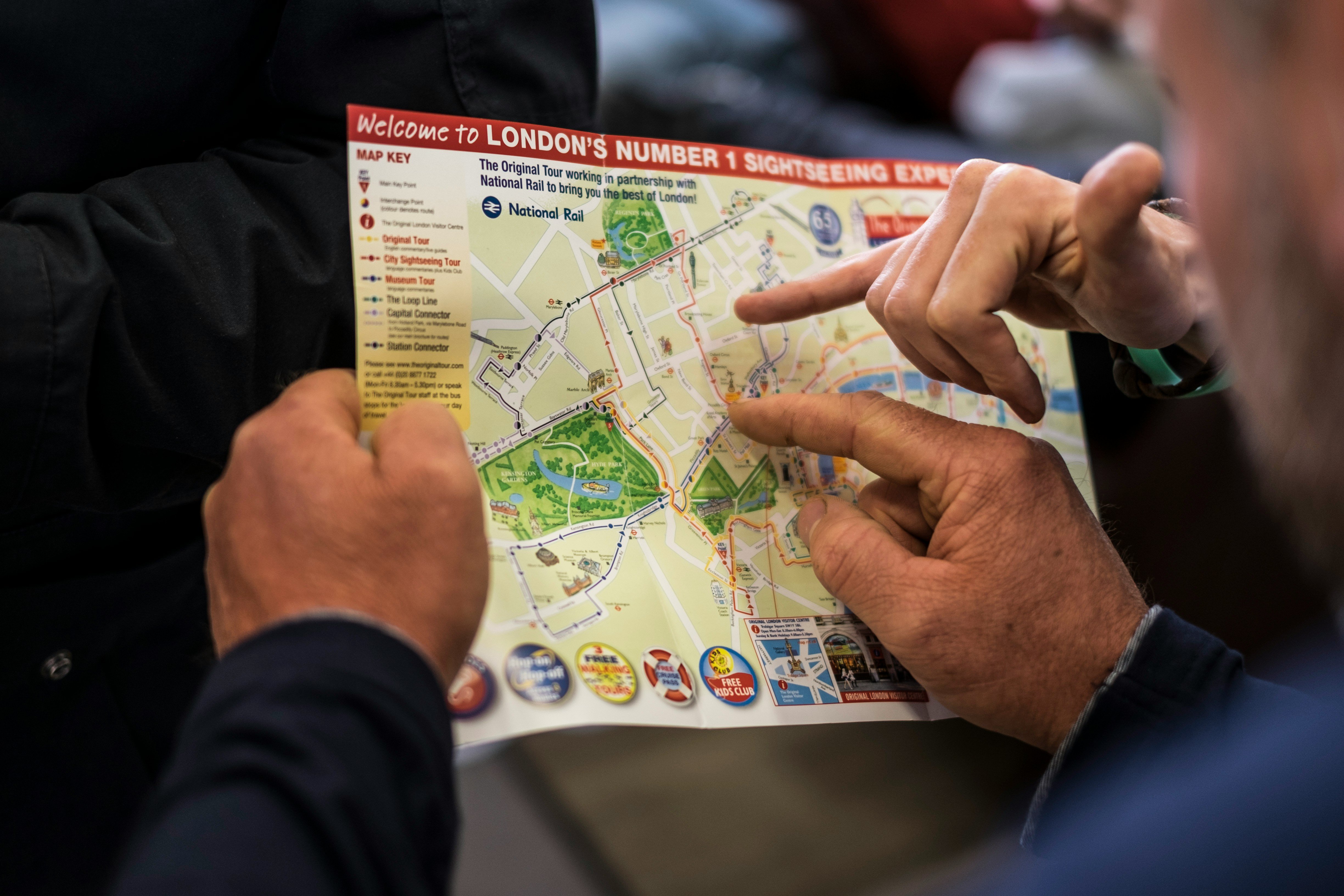
One of the most liberating realizations about conference travel is that there actually are gaps in even the most packed schedules. The challenge is recognizing these opportunities and choosing to use them intentionally rather than defaulting to passive activities or retreating to your hotel room.
Early mornings represent one of the most underutilized time windows for conference attendees. Most conferences don't begin until nine o'clock, and some start even later. If you're willing to wake up just one hour earlier than absolutely necessary, you can step outside and experience the city when it's quiet, when locals are starting their day, when cafes are opening and neighborhoods are coming to life. You might take a walk around the area near your hotel, discover a bakery where people are lining up for fresh pastries, or simply observe the morning routine of a place that's completely new to you. This kind of start to your day not only provides a genuine experience but also improves your mental state for the sessions ahead. You arrive at the conference feeling more alert, more grounded, and more positive than if you'd simply rushed from bed to venue.
The breaks between sessions offer another opportunity, though admittedly a shorter one. Rather than lingering in the conference center hallways making small talk or checking your email for the fifteenth time, consider stepping outside for even fifteen or twenty minutes. A brief walk around the block, finding a local coffee shop instead of the venue's coffee station, or simply sitting on a bench in a nearby plaza can provide a mental reset. These micro-experiences accumulate over the course of a multi-day conference and contribute to a sense of place that you wouldn't get otherwise.

Evening hours after the final session are perhaps the trickiest to navigate because they're often claimed by networking events, organized dinners, or informal gatherings with colleagues. However, not every evening needs to be dedicated to these activities. If you can strategically skip just one networking reception or bow out of one group dinner, you create space for something more personally meaningful. You might have dinner at a restaurant that's actually representative of the local cuisine, take a walk through a neighborhood that has character and history, or simply sit at a bar where locals gather and observe the rhythms of the city.
Finally, there's the often-wasted half-day before departure. Many professionals book afternoon or evening flights but then spend the entire morning sitting in the hotel lobby or working from their room. If your flight isn't until mid-afternoon, you potentially have three or four hours that could be used much more meaningfully. This is often the best window for a slightly more substantial experience because you're no longer worried about getting back in time for sessions.
The Value of Local Knowledge in Time-Constrained Travel

When you're traveling for a conference, the biggest obstacle to exploration isn't actually time. It's decision fatigue and uncertainty. By the time you reach the end of a conference day, you've already made countless decisions about which sessions to attend, who to talk to, how to respond to work emails that have accumulated, and how to manage your energy for the following day. The prospect of then having to research neighborhoods, figure out which attractions are worth visiting, navigate an unfamiliar public transportation system, and ensure you get back to your hotel at a reasonable hour can feel overwhelming enough that you simply choose not to engage with it at all.
This is precisely where connecting with someone who actually lives in the city transforms the experience. Not a traditional tour guide following a rigid script and leading a group of twenty people, but rather a local resident who can offer personalized guidance based on your specific interests and very limited availability.
When you're exploring with a local, the entire burden of planning and navigation disappears. You don't need to spend your limited evening hours reading travel blogs or sorting through restaurant reviews. You don't need to worry about whether a neighborhood is worth the trip or if you'll be able to find your way back. You simply communicate when you're available and what kinds of experiences interest you, and they take care of the rest. They adapt to your schedule rather than requiring you to adapt to theirs.
Perhaps more importantly, local residents have knowledge that no guidebook or website can provide. They understand which tourist attractions are genuinely worth visiting and which ones are overcrowded disappointments. They know which restaurants serve food that actually represents the local cuisine versus which ones are designed for tourists and have adjusted their menus accordingly. They can show you neighborhoods that have character and authenticity, places where you'll see how people actually live rather than manufactured tourist zones.
There's also a qualitative difference in how it feels to explore with someone local versus navigating on your own. Instead of wandering around somewhat aimlessly, consulting Google Maps every few minutes and trying to appear confident even though you're uncertain, you're having a conversation with someone who can provide context and answer your questions. They can explain the history of a building you're passing, tell you which coffee shop has been there for fifty years versus which one just opened last month, or share their perspective on what makes their city distinctive. These conversations are often what travelers remember most vividly, not the specific landmarks they visited.
What Flexible, Local-Guided Exploration Actually Looks Like
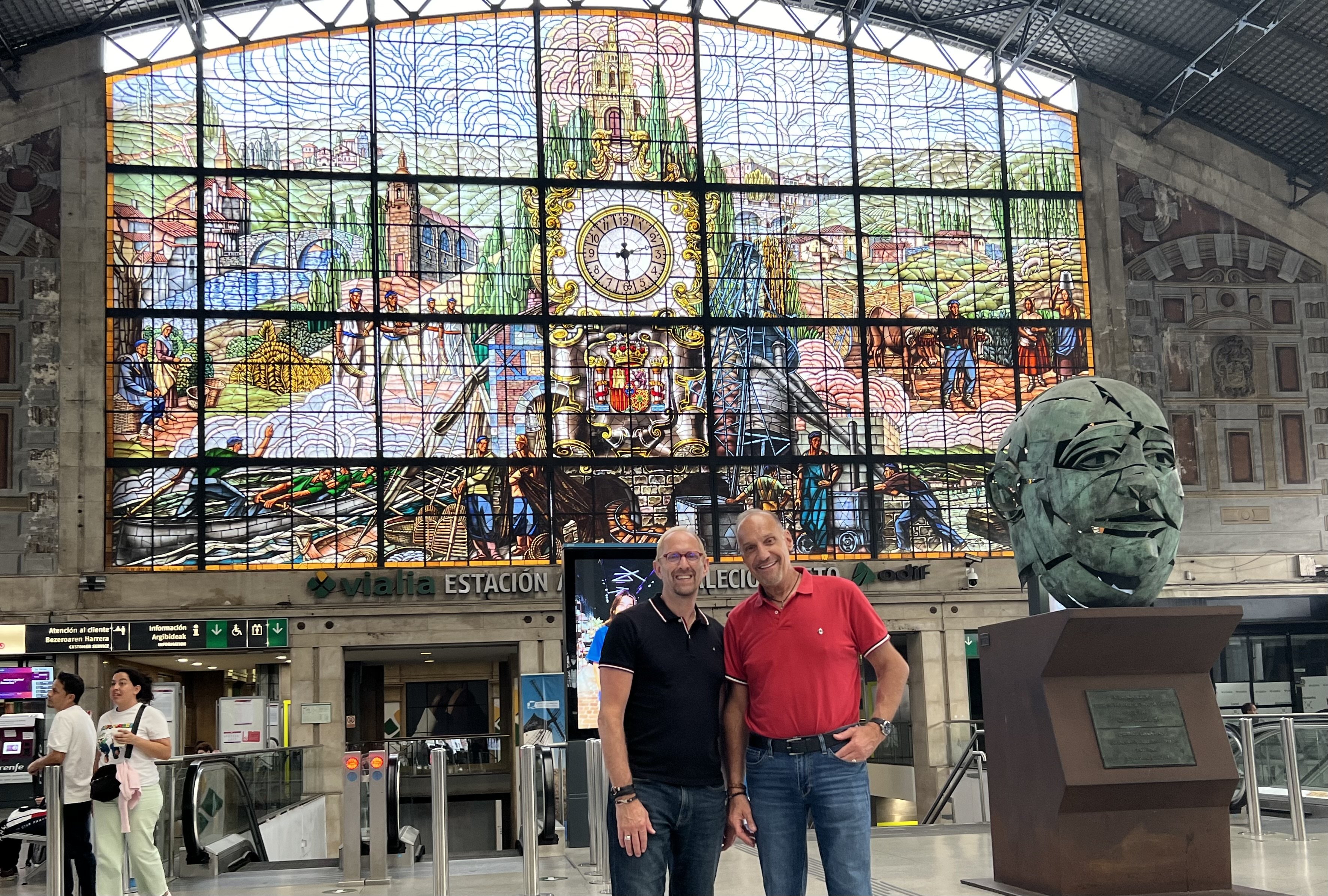
When we talk about exploring a city with local guidance during a conference trip, it's important to understand that this doesn't need to be elaborate or time-consuming. The beauty of this approach is its flexibility and its ability to scale to whatever time you actually have available.
For someone with very limited time, it might be as simple as meeting a local resident for coffee near your conference venue during a longer break. They can point out interesting spots within walking distance, explain which areas of the city are worth visiting if you have an evening free, and give you a sense of the place through conversation. Even this modest interaction creates a connection to the city that you wouldn't have otherwise.
If you have an hour or ninety minutes in the evening, a local might take you to a restaurant that isn't listed in typical tourist guides but serves the kind of food the city is genuinely known for. You have dinner, you talk about their experience living in the city versus your impressions as a visitor, you get recommendations for other places you might visit on a future trip, and then you return to your hotel. This is not a major time investment, but it's exponentially more meaningful than eating room service or going to the chain restaurant across from your hotel.
For those with a bit more time, perhaps on the morning before departure or during a free evening, exploring with a local might involve a walk through a residential neighborhood with architectural significance or cultural history. This isn't a formal tour with rehearsed facts and figures. It's someone showing you their neighborhood, pointing out details you'd never notice on your own, and helping you understand what makes this particular place distinctive. You might stop at a local market, see where people shop for groceries, visit a park where families gather, or walk past buildings that have interesting stories.
The key characteristic that makes all of these scenarios work within the context of conference travel is flexibility. You're not committing to a three-hour walking tour that begins at a specific time and follows a predetermined route. You're not booking tickets for an attraction that you must visit regardless of how your conference schedule unfolds. You're simply creating opportunities for authentic experiences that can adapt if your plans change, which they often do during conferences.
Ways to Make the Most of Limited Time

Successfully balancing conference obligations with city exploration requires being realistic and strategic about your approach. These practical considerations can make the difference between a trip where you actually experience something memorable and one where good intentions never translate into action.
First, be honest with yourself about your energy levels. If you know from experience that you're completely depleted after a full day of conference sessions, don't plan something ambitious for that evening. Perhaps instead of a neighborhood walk, you simply find a good local spot for a quiet drink or a relaxed meal. Pushing yourself beyond your actual capacity doesn't lead to good experiences. It leads to exhaustion and resentment.
Second, especially for your first outing in a new city during a conference, stay relatively close to your conference location. You don't need to travel across the entire metropolitan area to have a worthwhile experience. Nearly every conference venue has interesting neighborhoods, good restaurants, or culturally significant sites within a reasonable distance. Starting close to where you're already spending most of your time reduces logistical complexity and makes it easier to get back if your schedule changes unexpectedly.
Third, prioritize experiences that offer flexibility over those that require rigid timing. Anything that demands you be somewhere at a precise time creates risk when you're operating on a conference schedule. Sessions run over, speakers go long, colleagues want to have conversations, and unexpected networking opportunities arise. You need options that can shift by thirty minutes or an hour without causing problems.
Fourth, focus on one or two genuinely meaningful experiences rather than trying to see everything the city has to offer. One excellent meal that introduces you to local cuisine, one substantive conversation with a resident who helps you understand the city's character, or one walk through a neighborhood that gives you a sense of place will create more lasting value than rushing through five tourist attractions just to say you've seen them.
Finally, manage your own expectations. You're not on vacation. You're attending a conference that happens to be located in an interesting city. The goal is not to replicate what a week-long leisure trip would look like. The goal is to ensure that you take advantage of the opportunity to experience something beyond the conference center walls, even if that experience is modest in scope.
Taking Action

If you're reading this and thinking that it sounds appealing but you're uncertain how to actually implement it, particularly if you're not comfortable navigating new cities independently or don't have time to do extensive research before your trip, there are resources designed specifically for this type of situation.
Platforms like Lokafy exist to connect travelers with local residents who can provide flexible, personalized guidance that works around demanding schedules like those of conference attendees. Rather than booking a traditional tour or trying to figure everything out on your own, you simply indicate when you're available and what kinds of experiences interest you. The service matches you with someone local who can meet you during those windows of time and show you around based on your preferences.
This approach removes the planning burden entirely. You're not spending your limited pre-trip time researching neighborhoods or creating elaborate itineraries. You're not trying to navigate public transportation in an unfamiliar city or wondering if the place you've chosen to visit will actually be worth the effort. You're simply showing up and allowing someone who knows the city to take care of the logistics while adapting to your schedule.
The flexibility is particularly valuable for conference travelers because it accommodates the unpredictability that's inherent in these trips. If a session you wanted to attend gets rescheduled, if a networking opportunity emerges, if you're simply more tired than you anticipated, you can adjust without losing deposits or disappointing a large tour group. The experience scales to match whatever time and energy you actually have available.
Making Your Next Conference Trip Different

Conference travel represents a unique category of business travel that's often underappreciated as an opportunity for genuine experiences. Yes, you're there primarily for professional reasons. Yes, your schedule is demanding and your time is limited. Yes, you have legitimate work obligations that need to take priority.
But you're also in a place you may never return to, surrounded by a culture and community that's different from your own, with at least some small pockets of time that could be used more intentionally. That's worth something. That has value beyond the professional networking and industry knowledge you're there to gain.
You don't need an entire free day or an elaborate itinerary. You don't need to see every major landmark or check items off a tourist list. You simply need to recognize the opportunities that exist within your schedule and choose to use them rather than defaulting to the easiest, most passive options.
A good walk through a neighborhood you'd never see otherwise. A meal at a restaurant where locals actually eat. A conversation with someone who lives in the city and can help you understand what makes it distinctive. These experiences don't require massive time investments, but they fundamentally change how a trip feels and what you remember about it six months later.
The next time you're traveling for a conference, don't automatically resign yourself to the hotel-venue-airport routine. Take a morning walk before sessions begin. Find a local spot for dinner instead of eating at the hotel. Connect with someone who actually lives in the city and can show you something authentic.

If you want to make that last part easier, that's where Lokafy comes in. We connect conference travelers with local residents who can work around your schedule and show you their city on your terms. No rigid tour times, no group buses, no pressure. Just flexible meetups that fit into whatever free time you actually have. Whether it's a morning coffee walk, an evening meal at a place locals love, or a quick neighborhood tour before you head to the airport, we help you experience the city without the stress of planning or the worry of getting lost.
Your conference sessions will still be there. Your networking obligations won't disappear. But you'll leave with more than just business cards and presentation slides. You'll leave with an actual experience of a place, however modest, and that makes all the difference.
Ready to explore your next conference city? Visit Lokafy and connect with a local who can show you around.
Enjoyed this article?