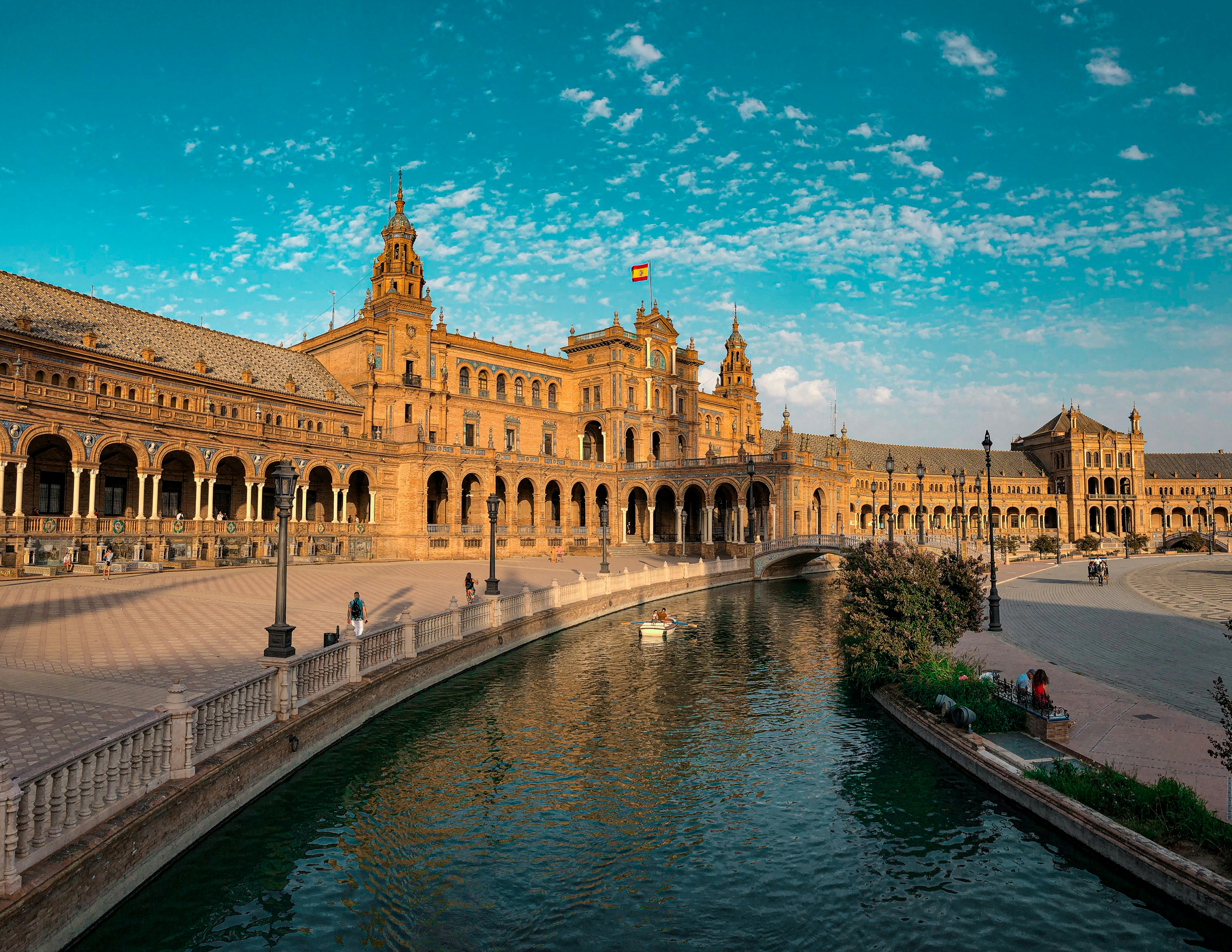
There's something amazing about planning your first international trip. The mix of excitement and nerves, the late-night research sessions, the questions that keep popping up: Will I understand the signs? Can I navigate the metro?
Here's the truth, 2026 is a good year to take that leap. Post-pandemic infrastructure has matured, digital nomad visas have opened up easier entry points, and countries worldwide are rolling out traveler-friendly updates, from better English signage to contactless payment systems. The world has gotten smaller, but also kinder to newcomers.
If you're looking for the best countries to visit in 2026 as a first-time traveler, you want places that balance adventure with ease. Destinations where getting lost feels fun, not frightening. Countries with reliable transport, welcoming locals, and enough English speakers that you won't feel stranded.
This guide covers twelve countries across six continents, all chosen because they make that first stamp in your passport feel like the beginning of something big.
Japan
Why It's Great for First-Time Travelers
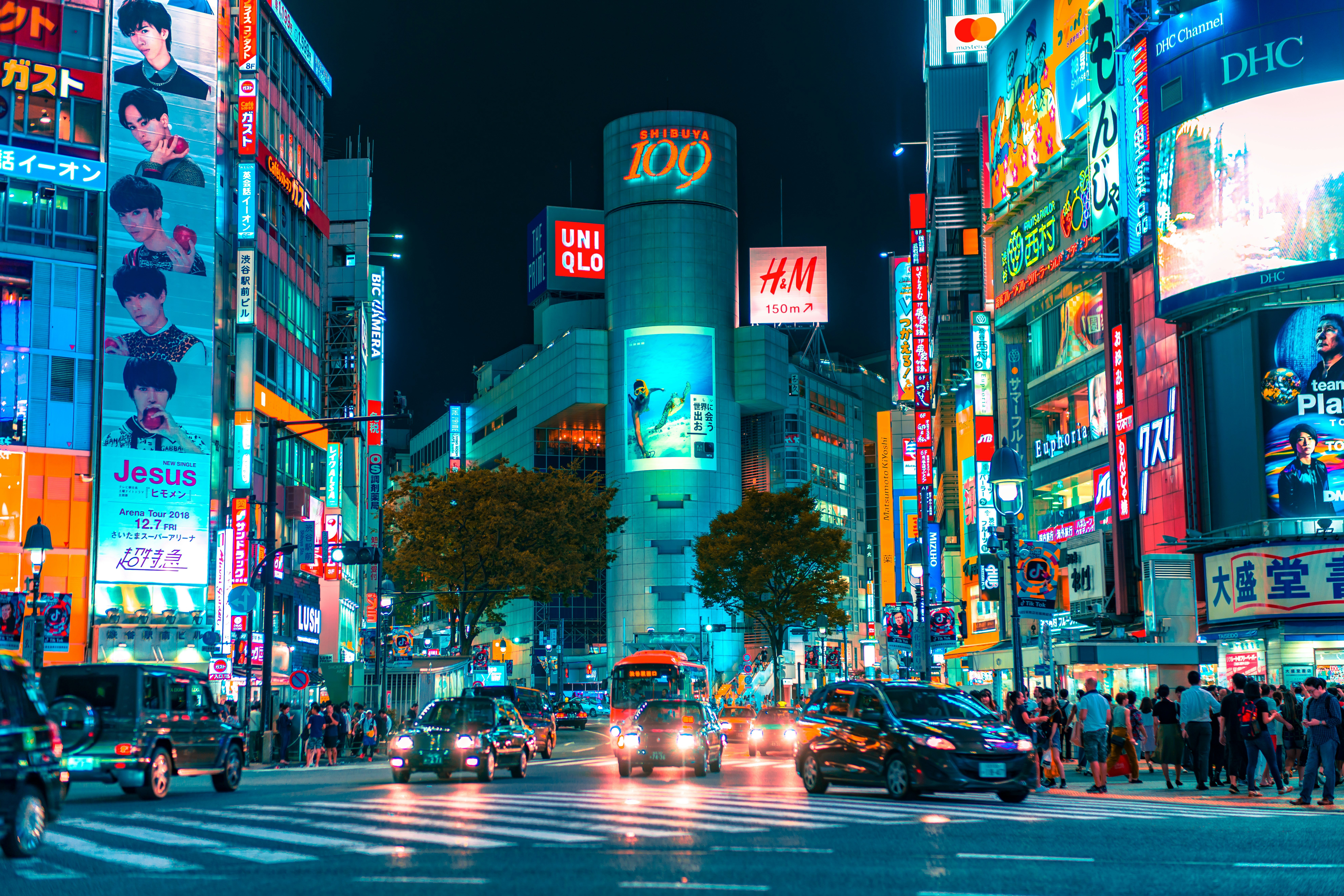
Japan has this reputation for being complicated, but it's actually one of the most beginner-friendly countries on the planet. Everything runs on time, crime rates are incredibly low, people are polite to a fault and despite the language barrier, you'll find English signage in major cities and an intuitive public transport system that makes New York's subway look chaotic.
The culture shock is real, but it's the gentle kind; quirky vending machines, bowing etiquette, silent train cars. It's different enough to feel thrilling, familiar enough that you won't panic.
What to See & Do
Start in Tokyo for the neon energy, then take the shinkansen (bullet train) to Kyoto for temples and traditional tea houses. Osaka gives you street food and nightlife. If you have time, Hiroshima offers profound history, and the rural areas like Takayama show you a slower, mountain-village side of Japan.
Don't skip the onsen experience (hot springs), even if communal bathing feels awkward at first. And yes, you absolutely need to try real ramen, tonkatsu, and conveyor belt sushi.
Cost & Affordability
Japan isn't dirt cheap, but it's not as expensive as people think. Budget travelers can get by on $60–80/day if you stay in hostels, eat at convenience stores (which are shockingly good), and use rail passes wisely. Mid-range travelers will spend $120–150/day comfortably. The JR Pass can save you hundreds if you're moving between cities. Book it before you arrive.
Getting Around
The train system is a dream. Google Maps works flawlessly for navigation. Even in rural areas, buses and local trains are punctual and clean. Grab a Suica or Pasmo card (rechargeable transit cards) and you're set. Taxis are expensive, but ride-sharing isn't common, so stick to trains and walking.
Cultural Tips
Bow slightly when greeting someone. Don't tip, it's considered rude. Take your shoes off when entering someone's home or certain restaurants. Be quiet on public transport. And if you're lost, people will go out of their way to help you, even if they don't speak English.
Portugal
Why It's Great for First-Time Travelers
Portugal is Europe without the pretension. It's affordable, stunningly beautiful, and packed with history. The Portuguese are famously warm, and English is widely spoken in tourist areas. The country is small enough to explore thoroughly in two weeks but layered enough that you won't get bored.
It's also one of the safest countries to visit for first-time travelers, with low crime rates and a relaxed, welcoming vibe. Plus, the food and wine are criminally underrated.
What to See & Do
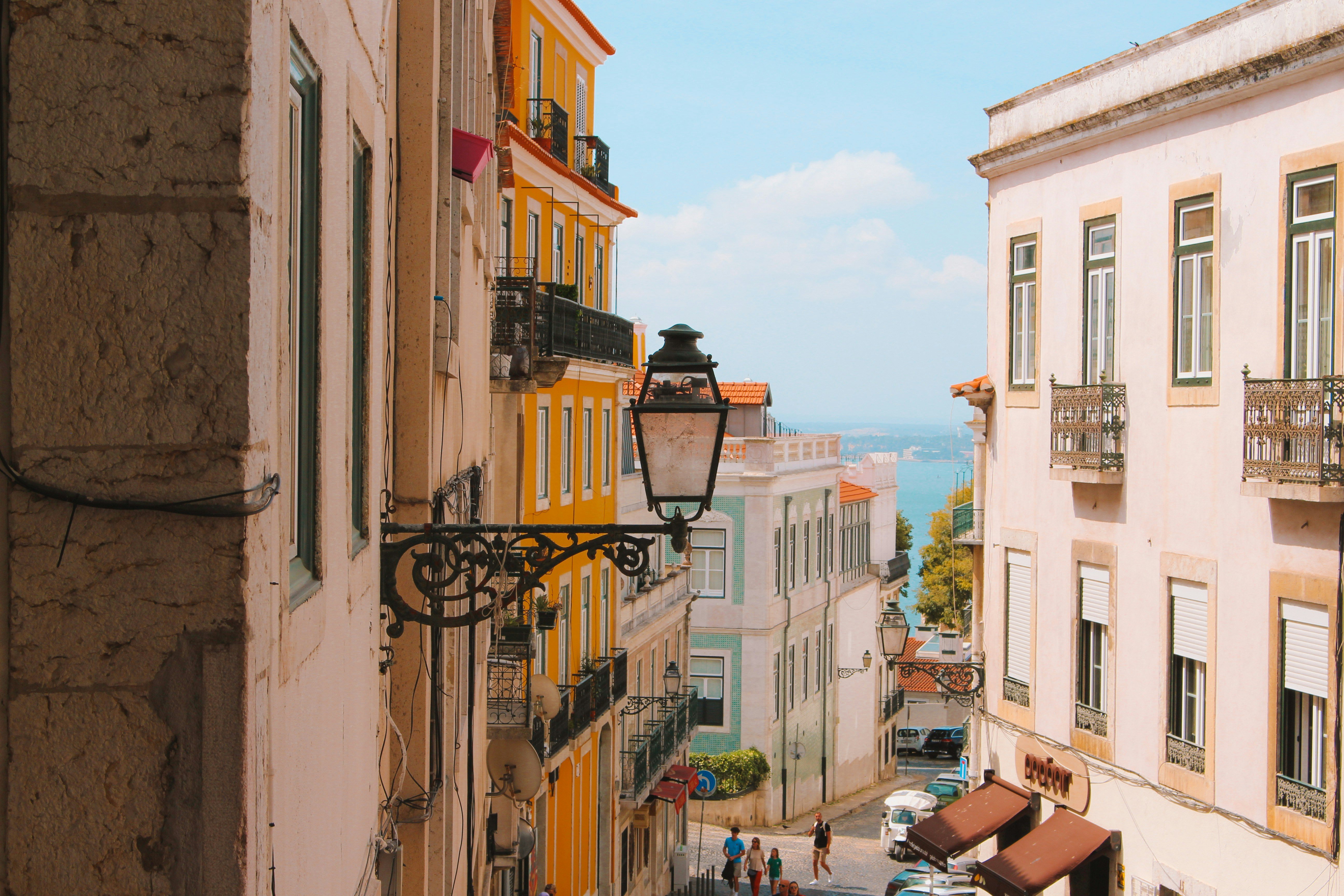
Lisbon is your gateway, think hilltop views, pastel buildings and trams rattling up cobblestone streets. Porto gives you port wine cellars and riverside charm. The Algarve offers beaches and dramatic coastal cliffs. For something different, head inland to the Douro Valley for terraced vineyards and river cruises. Don't miss the custard tarts (pastéis de nata). Get them fresh from Pastéis de Belém in Lisbon if you can.
Cost & Affordability
One of the best-value destinations in Western Europe. Budget travelers can manage on $50–70/day. Mid-range travelers will spend $100–130/day and live very well. Meals are affordable, wine is cheap, and accommodation is excellent across all price ranges.
Getting Around
Trains and buses connect major cities easily. Within Lisbon and Porto, trams, metros, and walking cover most of your needs. Renting a car makes sense if you're exploring the countryside or Algarve beaches, but it's not essential.
Cultural Tips
Portuguese people are friendly but not as loud or expressive as their Spanish neighbors. Learn a few phrases, “obrigado” (thank you) goes a long way. Dinner starts late, usually after 8 PM. Tipping isn't mandatory but rounding up or leaving 5-10% is appreciated.
New Zealand
Why It's Great for First-Time Travelers
New Zealand is like a training ground for adventure travel. Everyone speaks English, the infrastructure is solid, and the locals (Kiwis) are genuinely friendly. It's safe, organized, and packed with natural beauty that makes every drive feel like a movie scene.
It's also one of the best places to travel in 2026 if you want outdoor adventure without roughing it too much. You can go bungee jumping in the morning and have flat whites in a cute café by afternoon.
What to See & Do
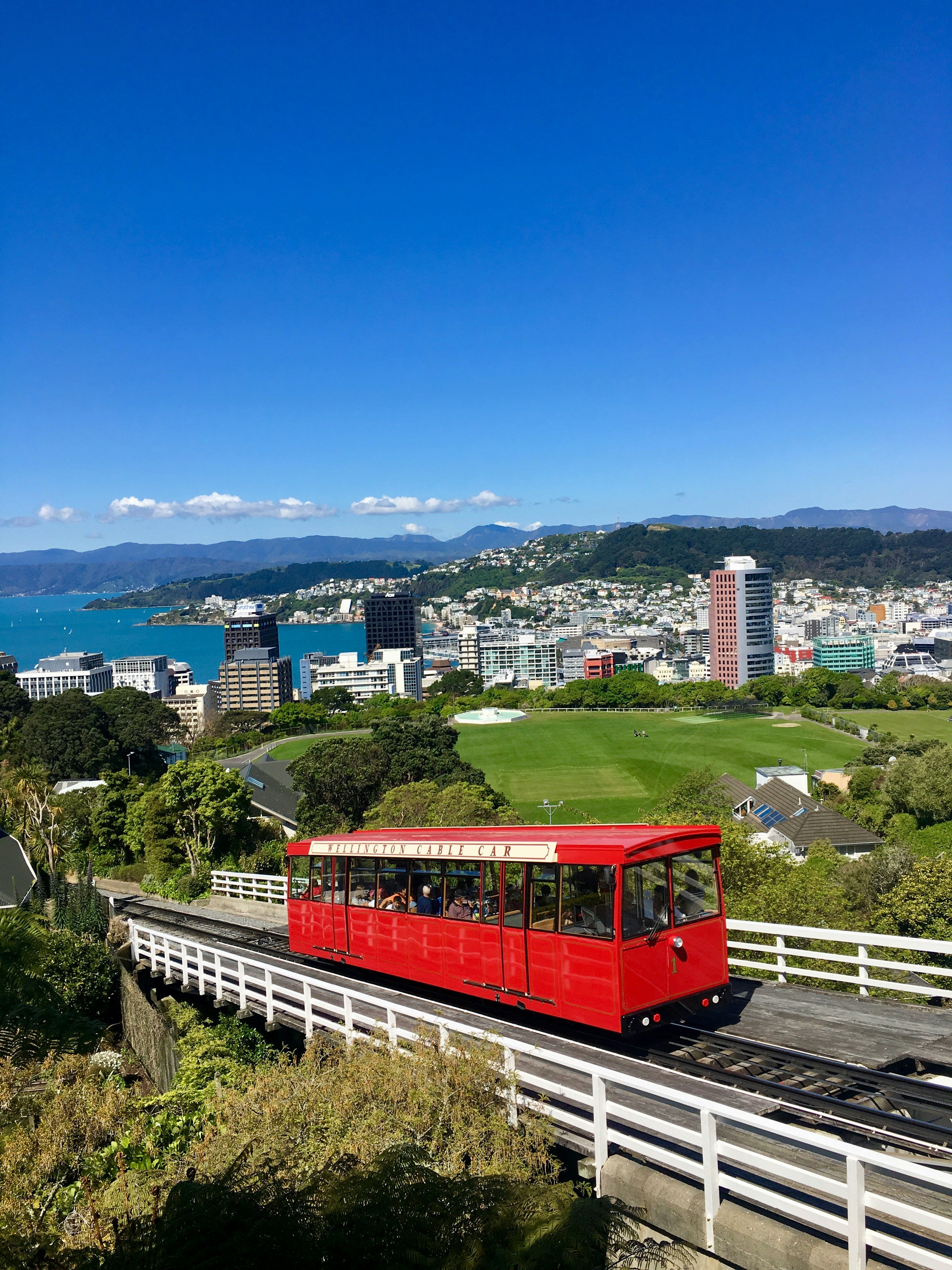
The South Island is nature's highlight reel. Queenstown for adrenaline sports, Milford Sound for fjords, the Southern Alps for hiking. The North Island offers geothermal parks in Rotorua, Hobbiton for Lord of the Rings fans, and Wellington's creative culture. If you're into hiking, the Great Walks are world-class. Book them early as they fill up fast.
Cost & Affordability
Not cheap. Budget travelers need $70–90/day minimum. Mid-range travelers should expect $150–200/day. Accommodation and activities add up, but the quality is high. Freedom camping (in a vehicle) is popular and can cut costs significantly if you're comfortable with it.
Getting Around
Renting a car or campervan is the move. Public transport exists in cities, but the country's beauty is in the spaces between towns. Driving is easy, roads are well-maintained, and Kiwis are courteous drivers.
Cultural Tips
Kiwis are laid-back and unpretentious. "Sweet as" means "cool" or "no worries." Respect Māori culture, don't sit on tables (they're for food), and if you visit a marae (Māori meeting ground), follow local protocols. Also, don't compare New Zealand to Australia unless you want some friendly banter.
Thailand
Why It's Great for First-Time Travelers
Thailand has been the gateway country for backpackers for decades, and for good reason. It's affordable, welcoming, and offers a mix of beaches, cities, mountains, and culture. The infrastructure is solid, English is common in tourist areas, and the food alone is worth the flight.
Thailand is one of those easy countries to travel for beginners because the tourist trail is well-worn but still exciting. You can follow the crowd or veer off into quieter regions without much effort.
What to See & Do
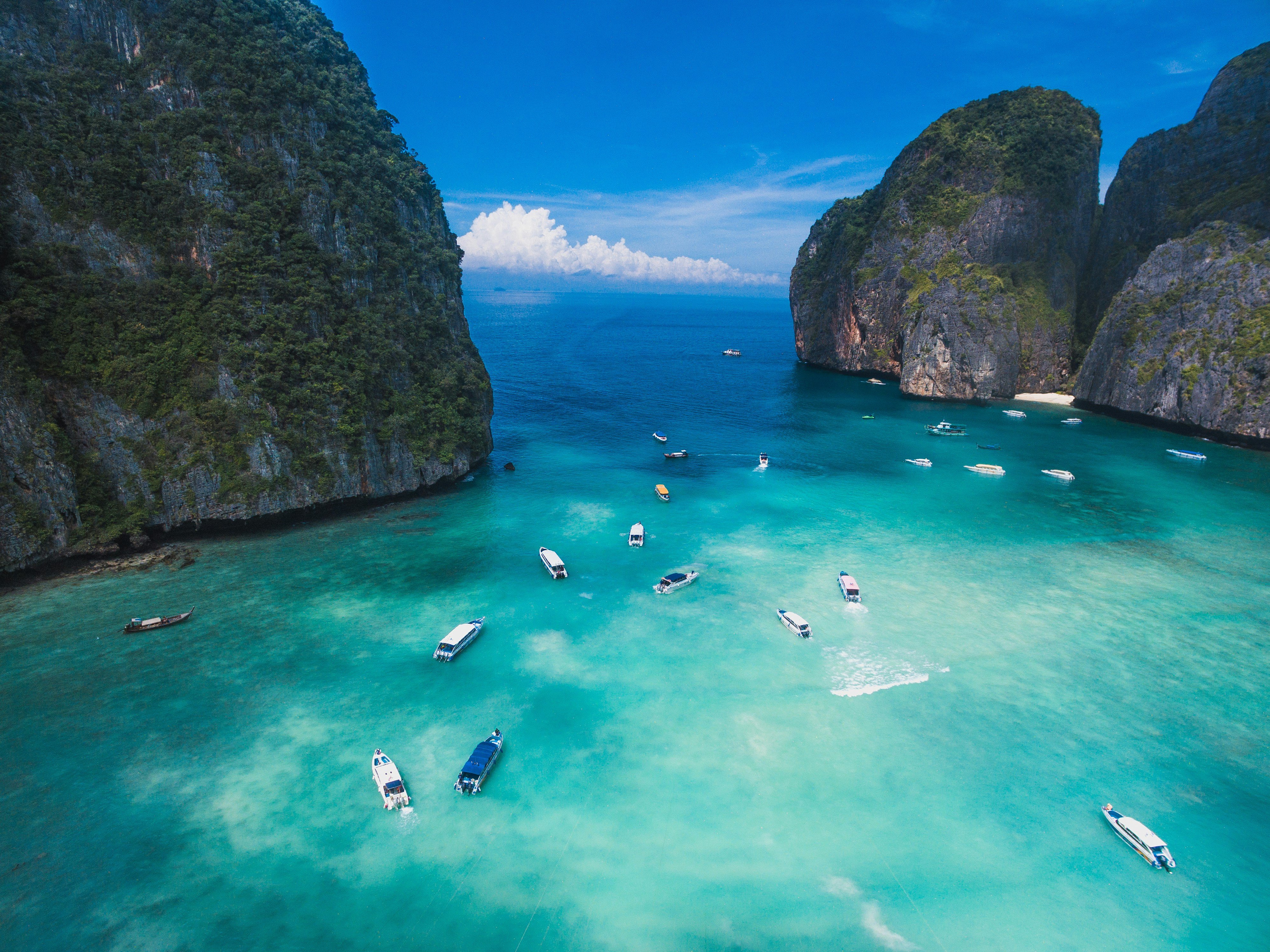
Bangkok is chaotic and mesmerizing; temples, street food, rooftop bars. Chiang Mai in the north offers mountain temples and elephant sanctuaries (ethical ones only). The islands like Phuket, Koh Samui, Koh Tao deliver beaches and diving. For something less touristy, try Pai or the Isaan region. Street food is phenomenal. Pad thai, som tam, mango sticky rice, eat everything!
Cost & Affordability
One of the most budget-friendly destinations globally. You can survive on $30–50/day if you're frugal. Mid-range travelers spend $70–100/day and live comfortably. Luxury is affordable here too. $150/day gets you boutique hotels and fine dining.
Getting Around
Domestic flights are cheap. Overnight buses and trains connect major cities. In cities, use Grab (Southeast Asia's Uber). Tuk-tuks are fun but negotiate the price first. Scooter rentals are common but risky if you're not confident riding.
Cultural Tips
Remove shoes before entering homes and temples. Dress modestly at religious sites. The Thai Royal Family is deeply respected so don't joke about them. Smile often; it's called the "Land of Smiles" for a reason. And yes, the wai (pressing palms together in greeting) is appreciated but not required from tourists.
Iceland
Why It's Great for First-Time Travelers
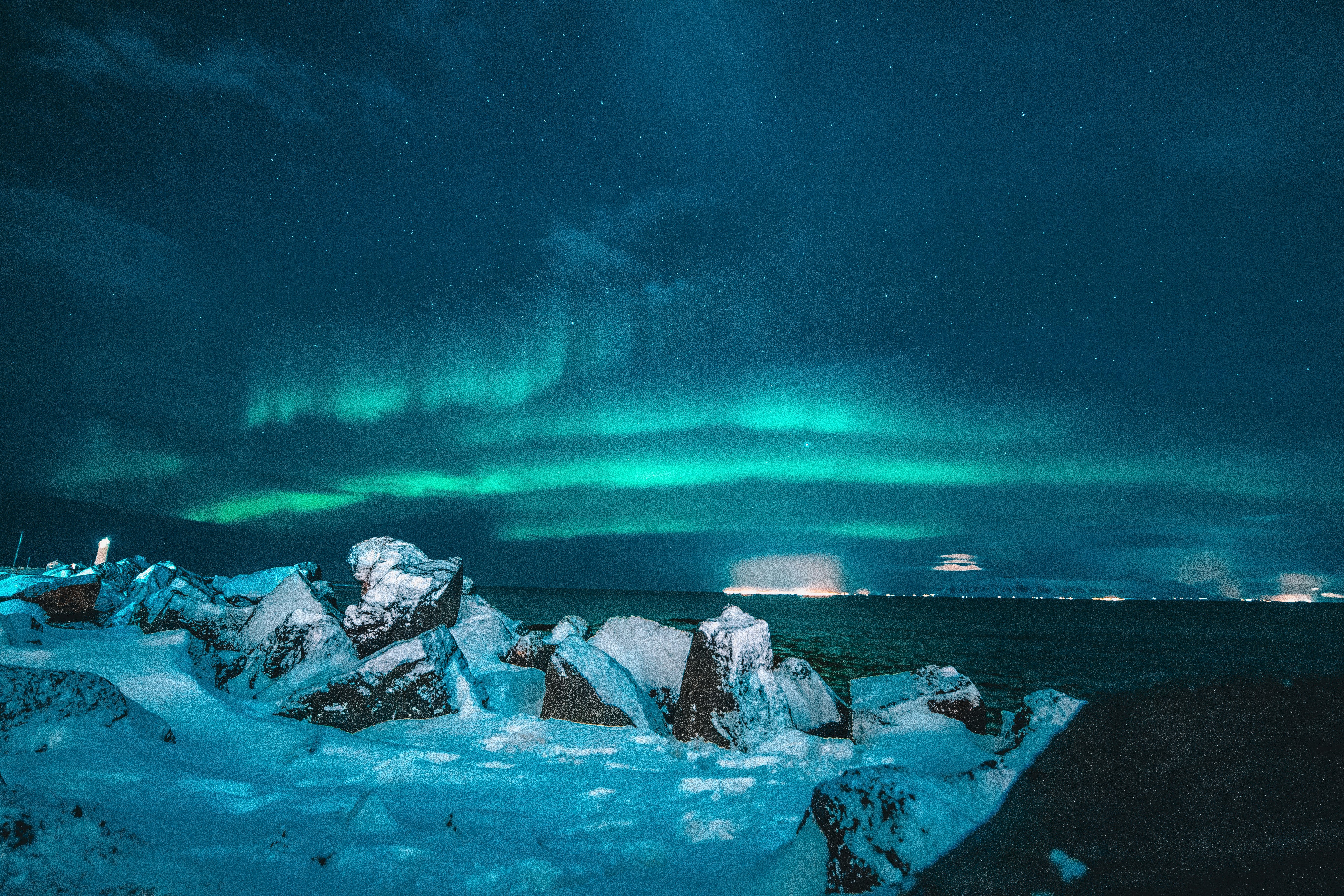
Iceland feels like another planet, but it's shockingly easy to navigate. Everyone speaks perfect English, the crime rate is nearly nonexistent, and the infrastructure is excellent. It's a place where you can chase waterfalls, soak in hot springs, and hunt for the Northern Lights without worrying about much.
It's also one of the top travel destinations 2026 for nature lovers who want dramatic landscapes without complicated logistics.
What to See & Do
The Golden Circle covers the greatest hits: Þingvellir National Park, Geysir geothermal area, Gullfoss waterfall. The South Coast gives you black sand beaches, glaciers, and more waterfalls. Reykjavik is small but vibrant. If you have time, the Westfjords or the East offer fewer tourists and raw beauty. The Blue Lagoon is touristy but worth it or skip it and find a local hot spring instead.
Cost & Affordability
Iceland is expensive. Budget travelers need $100/day minimum. Mid-range travelers should expect $150–200/day. Meals, accommodation, and activities cost more than most of Europe. Cooking your own meals and staying in hostels helps.
Getting Around
Renting a car is essential unless you're sticking to Reykjavik. The Ring Road circles the island and is well-maintained. In summer, driving is easy. Winter requires more caution due to snow and ice. Public transport is limited outside the capital.
Cultural Tips
Icelanders are friendly but reserved. Small talk isn't as common as in other countries. Don't go off-trail when hiking cause Iceland's nature is fragile. Tipping isn't expected. And yes, the tap water is some of the cleanest in the world, you can skip the bottled stuff.
Vietnam
Why It's Great for First-Time Travelers
Vietnam has shed its wartime image and emerged as one of Southeast Asia's most exciting destinations. It's affordable, safe, and full of contrasts, from ancient temples, French colonial architecture to bustling markets and serene rice paddies. The food scene is legendary, and the locals are curious and welcoming toward travelers.
It's also incredibly easy to navigate, making it one of the best countries for first-time travelers looking for adventure without too much hassle.
What to See & Do
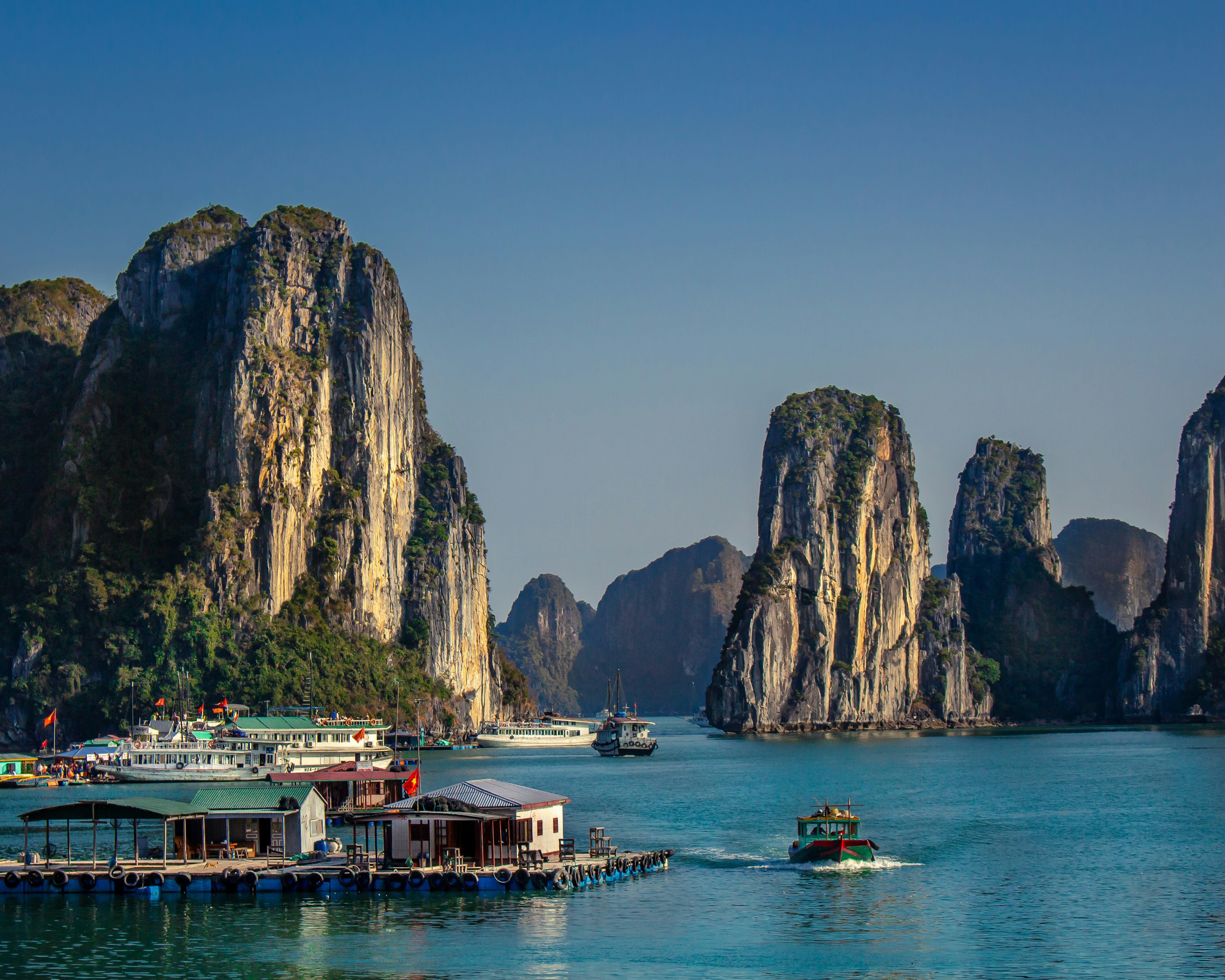
Hanoi offers old-world charm and street food chaos. Ha Long Bay's limestone karsts are iconic. Hoi An is a lantern-lit dream town perfect for wandering. Ho Chi Minh City (Saigon) pulses with energy. The Mekong Delta and Sapa's terraced rice fields offer rural beauty. Try pho, banh mi, and bun cha. Coffee culture is serious here as Vietnamese iced coffee is addictive.
Cost & Affordability
Extremely budget-friendly. You can travel on $25–40/day if you're careful. Mid-range travelers spend $60–80/day comfortably. Even luxury is affordable. $120/day gets you high-end hotels and fine dining.
Getting Around
Sleeper buses and trains connect major cities. Domestic flights are cheap. In cities, Grab is your friend. Motorbike rentals are everywhere, but traffic is intense, only rent if you're confident. Cyclos (bicycle taxis) are fun for short distances.
Cultural Tips
Vietnamese people are warm but can be direct. Bargaining is expected at markets. Dress modestly at temples and rural areas. Remove shoes before entering homes. And when crossing the street in Hanoi or Saigon, walk slowly and steadily because motorbikes will flow around you like water.
Spain
Why It's Great for First-Time Travelers
Spain combines everything a first-timer wants: incredible food, rich history, vibrant nightlife, beautiful beaches, and cities that feel alive. It's easy to get around, English is spoken in tourist areas, and the culture is welcoming and expressive. Plus, it's more affordable than you'd expect for Western Europe.
Spain is one of those countries that are easy to visit because the tourist infrastructure is mature, but the culture still feels authentic.
What to See & Do
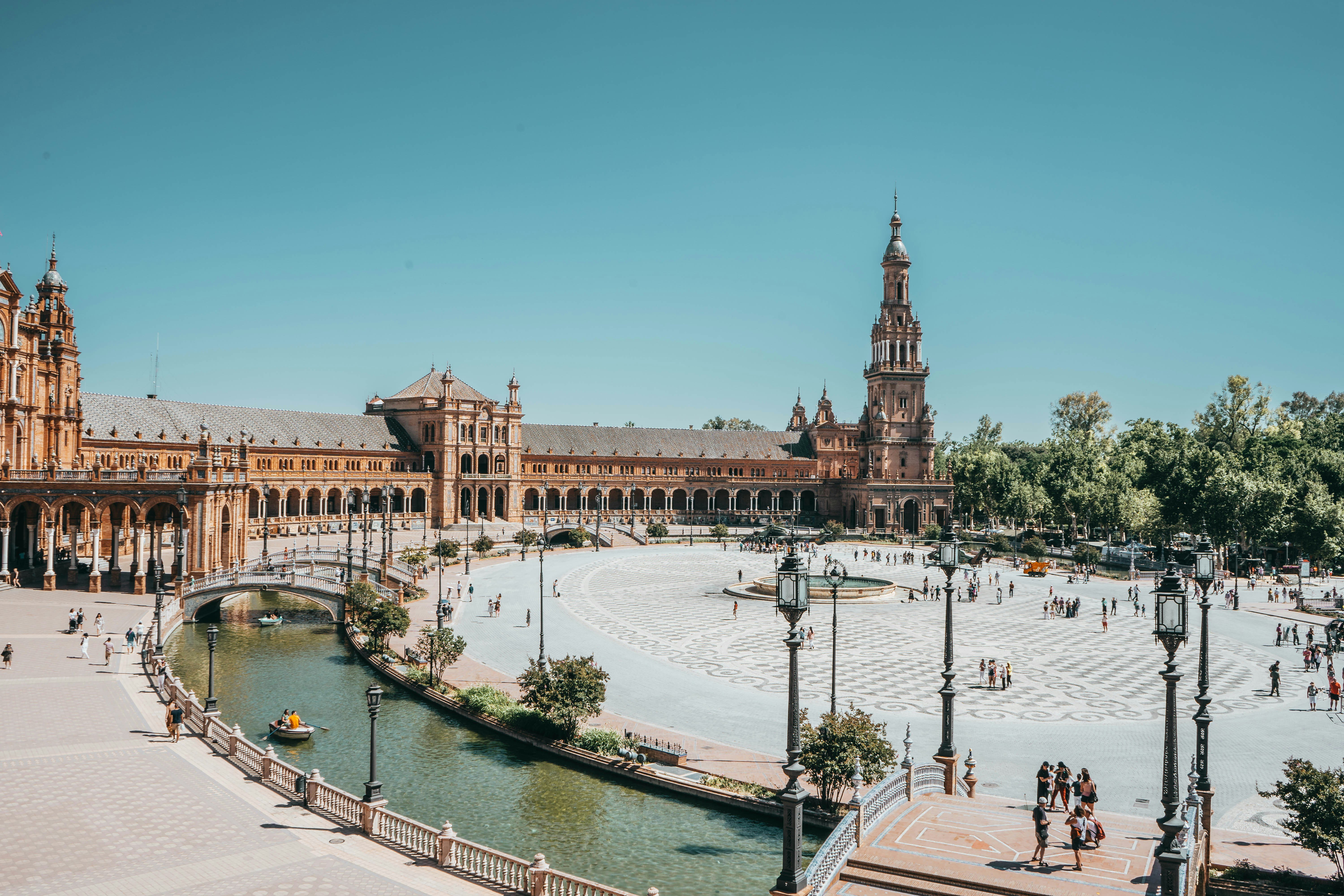
Barcelona dazzles with Gaudí architecture and beach vibes. Madrid offers world-class museums and endless tapas bars. Seville is flamenco and Moorish palaces. Granada has the Alhambra. San Sebastián serves Michelin-level pintxos. The Balearic and Canary Islands deliver beaches and parties. Embrace the siesta culture. Lunch is late, dinner is later. Go with it.
Cost & Affordability
Budget travelers can manage on $60–80/day. Mid-range travelers spend $100–130/day comfortably. Accommodation is varied and affordable. Tapas culture means you can eat well without spending much.
Getting Around
High-speed trains (AVE) connect major cities quickly. Regional trains and buses fill in the gaps. Metro systems in Barcelona and Madrid are efficient. Walking is often the best way to explore city centers.
Cultural Tips
Spaniards are warm and loud, embrace it. Tipping is appreciated but not required; rounding up is fine. Learn basic Spanish phrases; locals appreciate the effort. Dinner starts around 9 PM or later. And be prepared for late nights because Spain's social life peaks around midnight.
Canada
Why It's Great for First-Time Travelers
Canada is the friendly giant of North America. It's safe, clean, politically stable, and stunningly diverse, from cosmopolitan cities to vast wilderness. English and French are official languages, so communication is easy. Plus, Canadians are famously polite and helpful.
It's an ideal first time international travel destination for Americans, but also for anyone who wants nature and culture in one trip without too much logistical stress.
What to See & Do
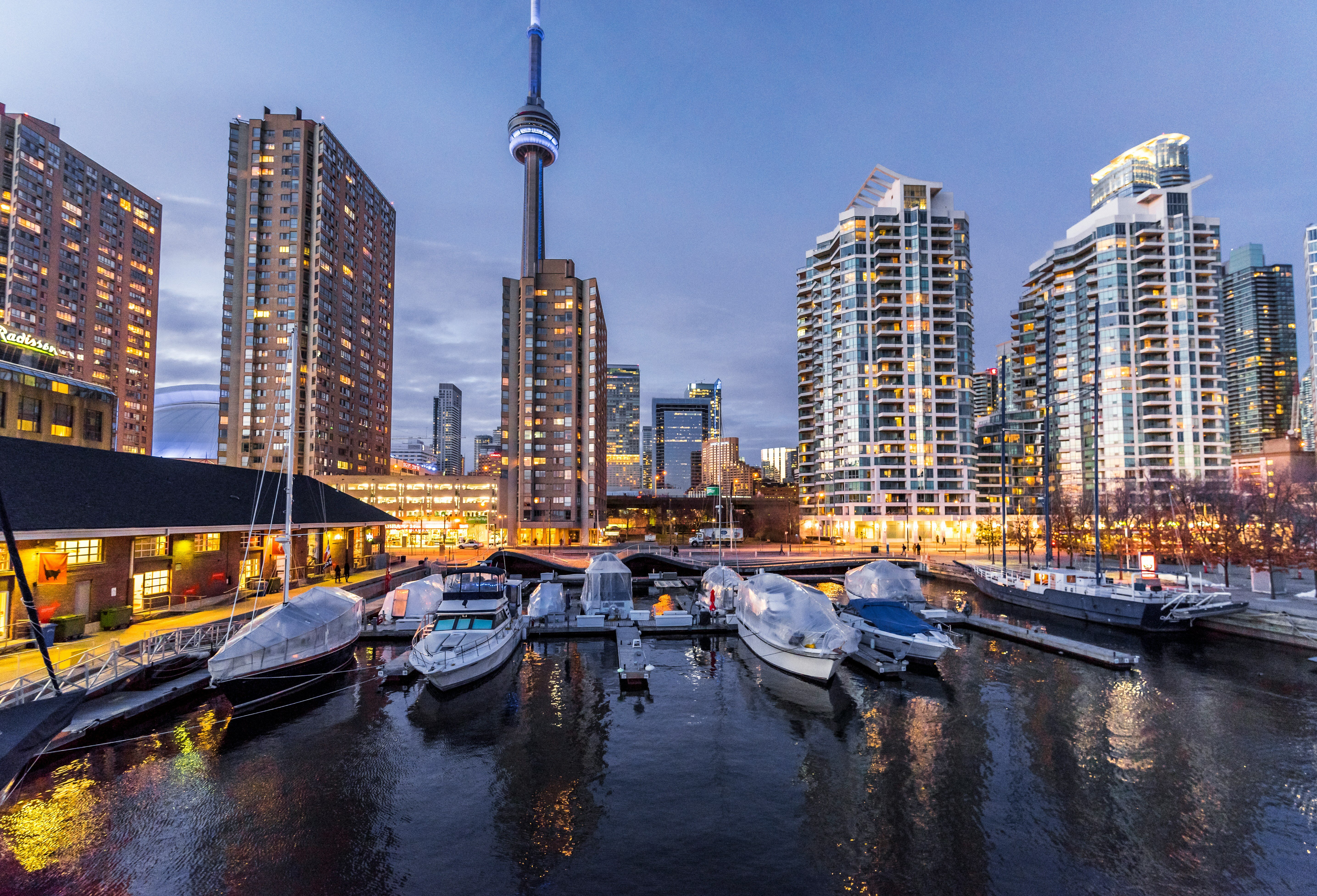
Vancouver mixes mountains and ocean beautifully. The Rockies (Banff and Jasper) are postcard-perfect. Toronto is multicultural and energetic. Montreal offers European flair and French-Canadian culture. Quebec City feels like stepping into France. The Maritimes and Newfoundland provide rugged coastal beauty. Poutine is mandatory, so is real maple syrup.
Cost & Affordability
Not cheap, but manageable. Budget travelers need $70–90/day. Mid-range travelers spend $130–170/day. Accommodation varies widely, hostels are affordable, hotels are pricier. Food costs add up, especially in cities.
Getting Around
Domestic flights connect major cities. VIA Rail trains are scenic but slow. Buses (like Greyhound alternatives) cover most routes. Renting a car makes sense for the Rockies or rural areas. Cities have good public transport.
Cultural Tips
Canadians say "sorry" a lot, it's just how they roll. Tipping is expected (15-20% in restaurants). The country is vast; don't underestimate distances. Be prepared for cold weather except in summer. And yes, people really are that nice.
Greece
Why It's Great for First-Time Travelers
Greece offers ancient history, island-hopping adventures, incredible food, and a relaxed Mediterranean vibe. It's affordable compared to much of Europe, locals are friendly, and English is widely spoken in tourist areas. The country is also compact enough to explore multiple regions in one trip.
It's one of the safest countries to visit for first-time travelers, with a tourist infrastructure that's been refined over decades.
What to See & Do
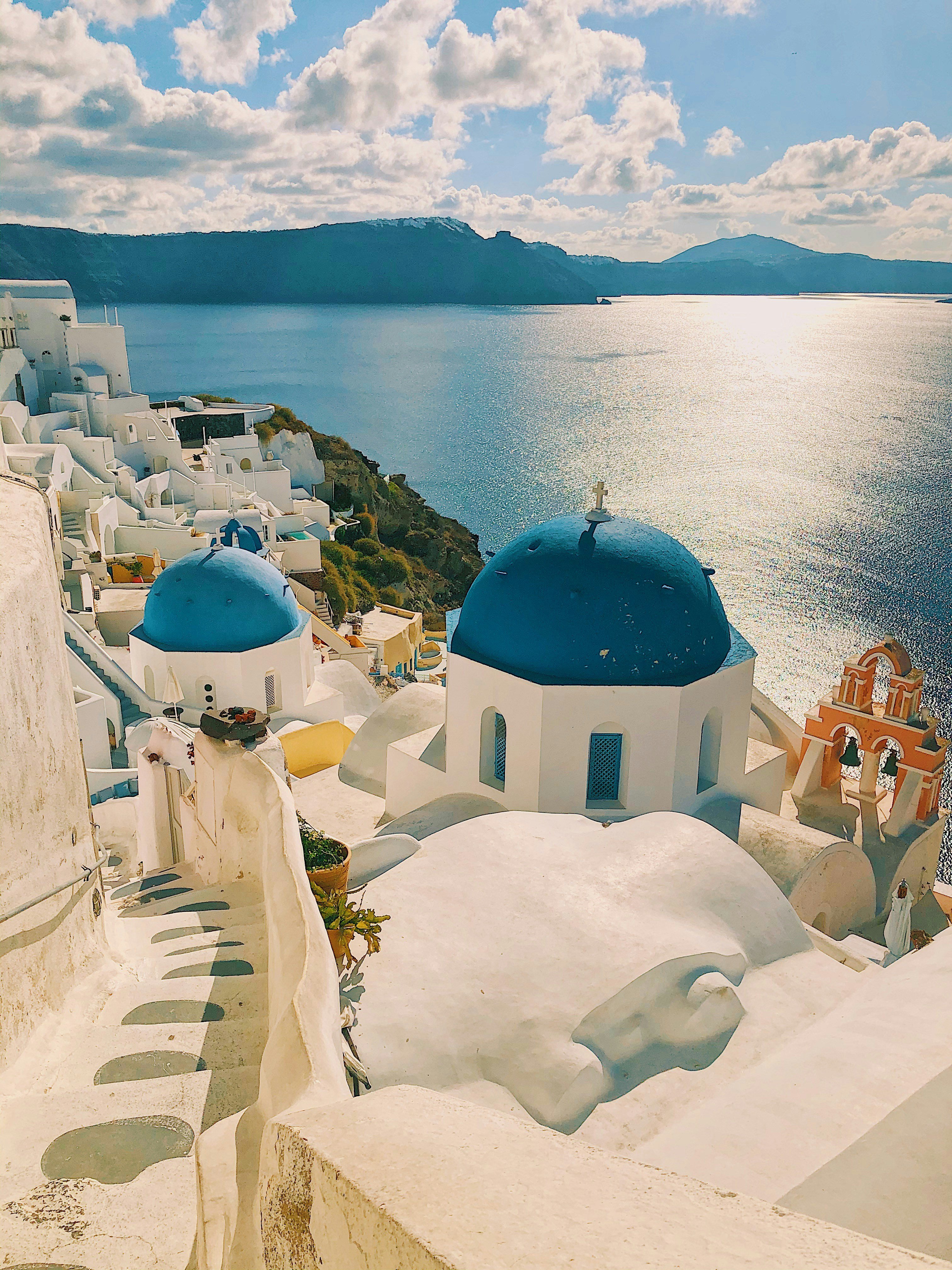
Athens is history 101; the Acropolis, Parthenon, ancient ruins everywhere. The islands offer variety: Santorini for sunsets, Mykonos for parties, Crete for size and diversity, Naxos for quieter beaches. The mainland has Delphi, Meteora's monasteries, and Thessaloniki's food scene. Eat everything: moussaka, souvlaki, fresh seafood, Greek salad with real feta, baklava. Wash it down with ouzo.
Cost & Affordability
Budget travelers can get by on $50–70/day. Mid-range travelers spend $90–120/day. Athens and popular islands are pricier, but smaller islands and the mainland are very affordable. Food is cheap and delicious if you eat where locals eat.
Getting Around
Ferries connect the islands so book ahead in summer. Buses cover the mainland well. Athens has a decent metro. Renting a car or scooter on islands gives you freedom. Domestic flights are an option for longer distances.
Cultural Tips
Greeks are warm and expressive. Tipping is appreciated (round up or leave 5-10%). Siesta is real, shops close midday. Say "yasas" (hello) and "efharisto" (thank you). Don't refuse Greek hospitality, if someone offers you food or coffee, accept. And be prepared for late dinners; Greeks eat around 9-10 PM.
Costa Rica
Why It's Great for First-Time Travelers
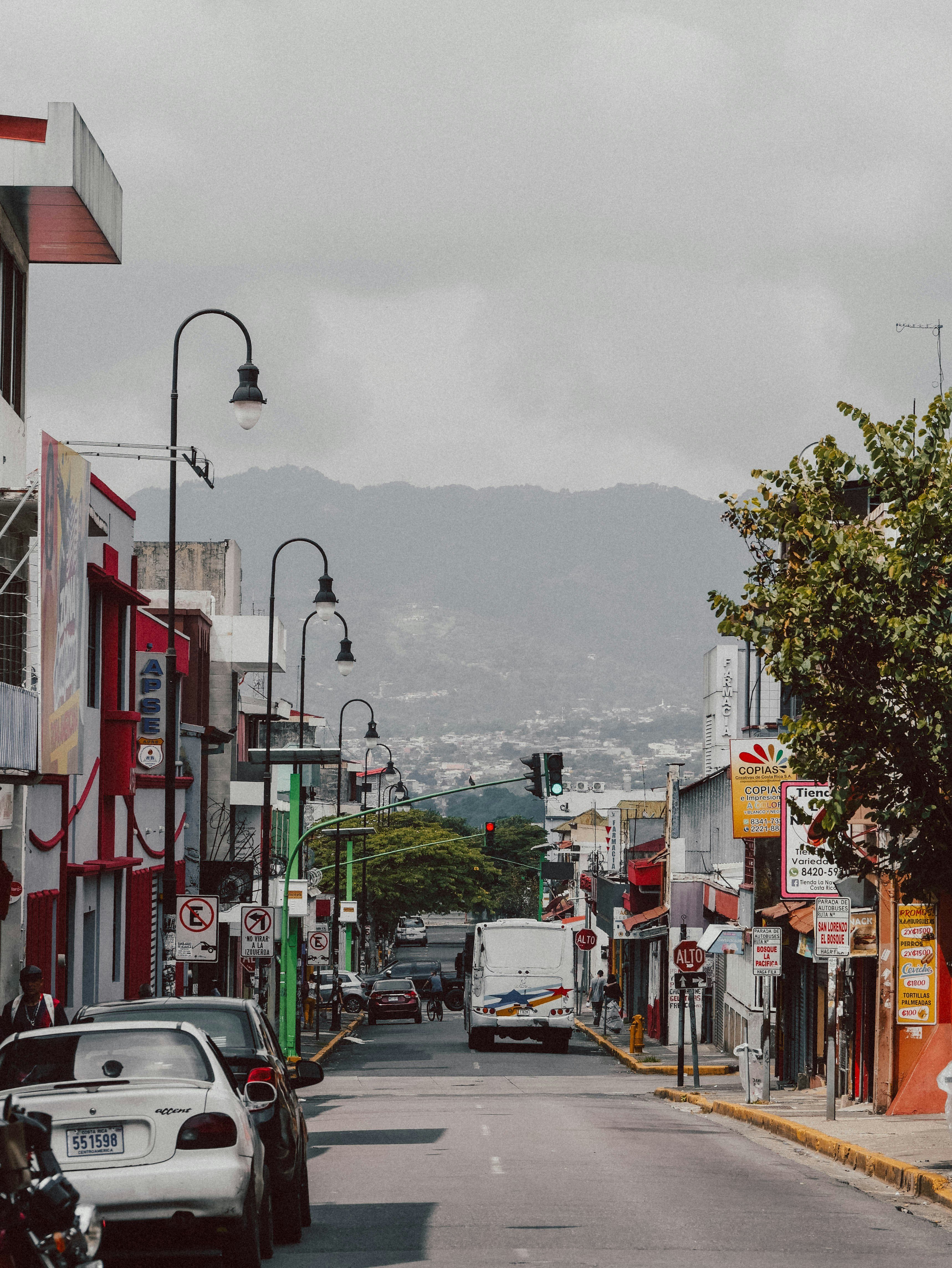
Costa Rica is Central America on easy mode. It's politically stable, environmentally conscious, and packed with biodiversity. The country has a well-developed tourist infrastructure, and locals (Ticos) are famously friendly. It's perfect for first-timers who want adventure like zip-lining, surfing, wildlife, without feeling overwhelmed.
It's also one of the best places to travel in 2026 if you care about sustainable tourism. Costa Rica has been leading the way for years.
What to See & Do
Arenal Volcano offers hot springs and hiking. Manuel Antonio combines beaches with wildlife (monkeys everywhere). Monteverde Cloud Forest is mystical. The Nicoya Peninsula has surf towns like Tamarindo and Santa Teresa. Tortuguero is for sea turtle nesting. And don't skip the wildlife; sloths, toucans, poison dart frogs. Gallo pinto (rice and beans) is breakfast. Casados (typical plate) is lunch. Fresh tropical fruit is everywhere.
Cost & Affordability
Not the cheapest in Central America, but reasonable. Budget travelers need $50–70/day. Mid-range travelers spend $100–130/day. Tours and activities add up but are worth it. Eating at sodas (local restaurants) saves money.
Getting Around
Domestic flights connect major destinations quickly. Shuttle buses are popular and convenient. Public buses are cheap but slow. Renting a car gives you flexibility, especially for remote areas. Roads can be rough, 4WD is often recommended.
Cultural Tips
Ticos are laid-back and polite. "Pura vida" (pure life) is the national motto, you'll hear it constantly. Tipping is appreciated (10% is common). Don't expect things to run on time; embrace "Tico time." And respect nature because Costa Rica takes conservation seriously.
Morocco
Why It's Great for First-Time Travelers
Morocco is Africa's perfect introduction for nervous first-timers. It's exotic enough to feel like an adventure, from spice markets to Sahara sunsets and ancient medinas. The tourist infrastructure is well-developed, French and English are spoken in cities, and it's just a short flight from Europe. Plus, Moroccan hospitality is legendary.
It's one of the safest countries to visit for first-time travelers in Africa, with a tourism industry that's been welcoming visitors for decades.
What to See & Do
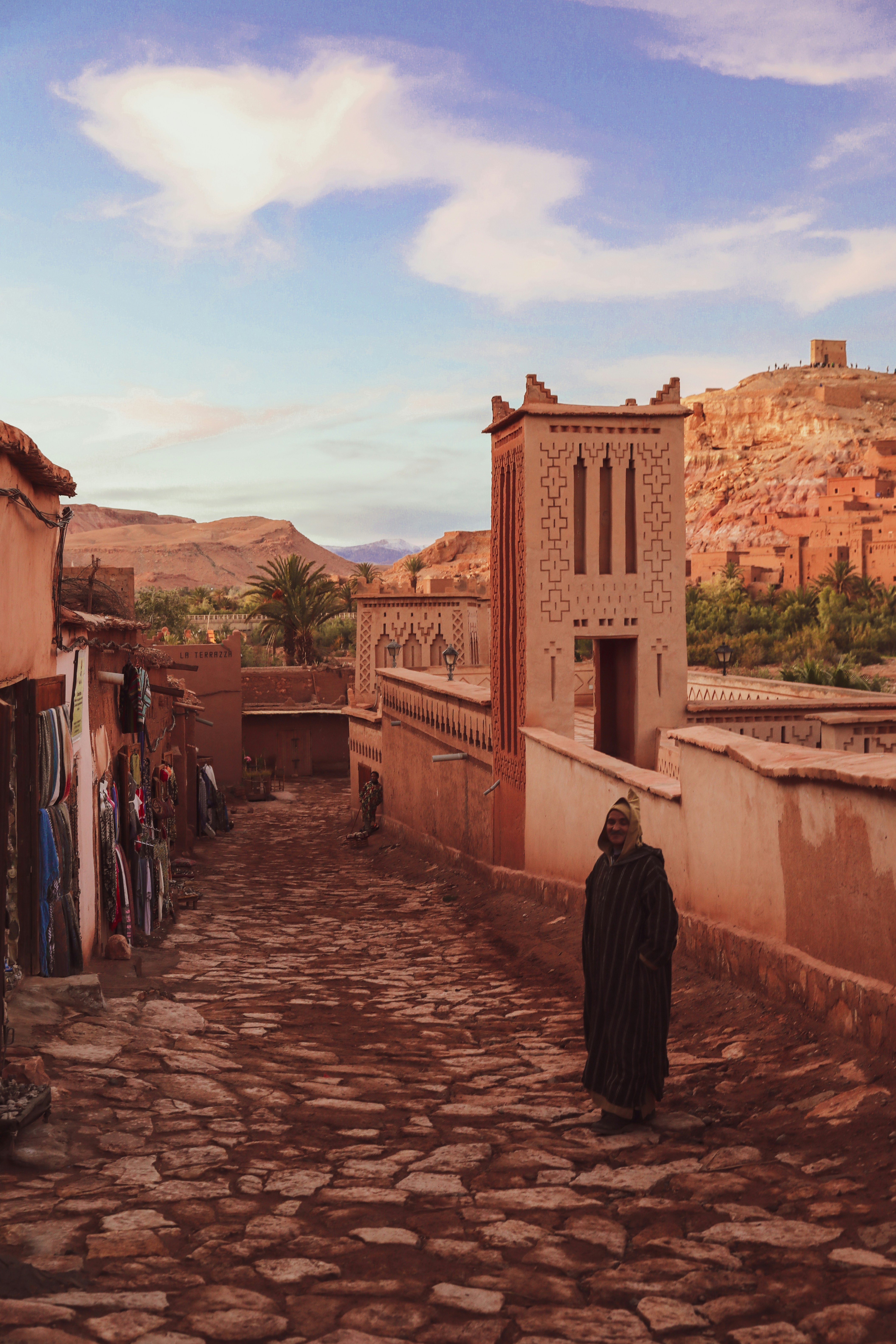
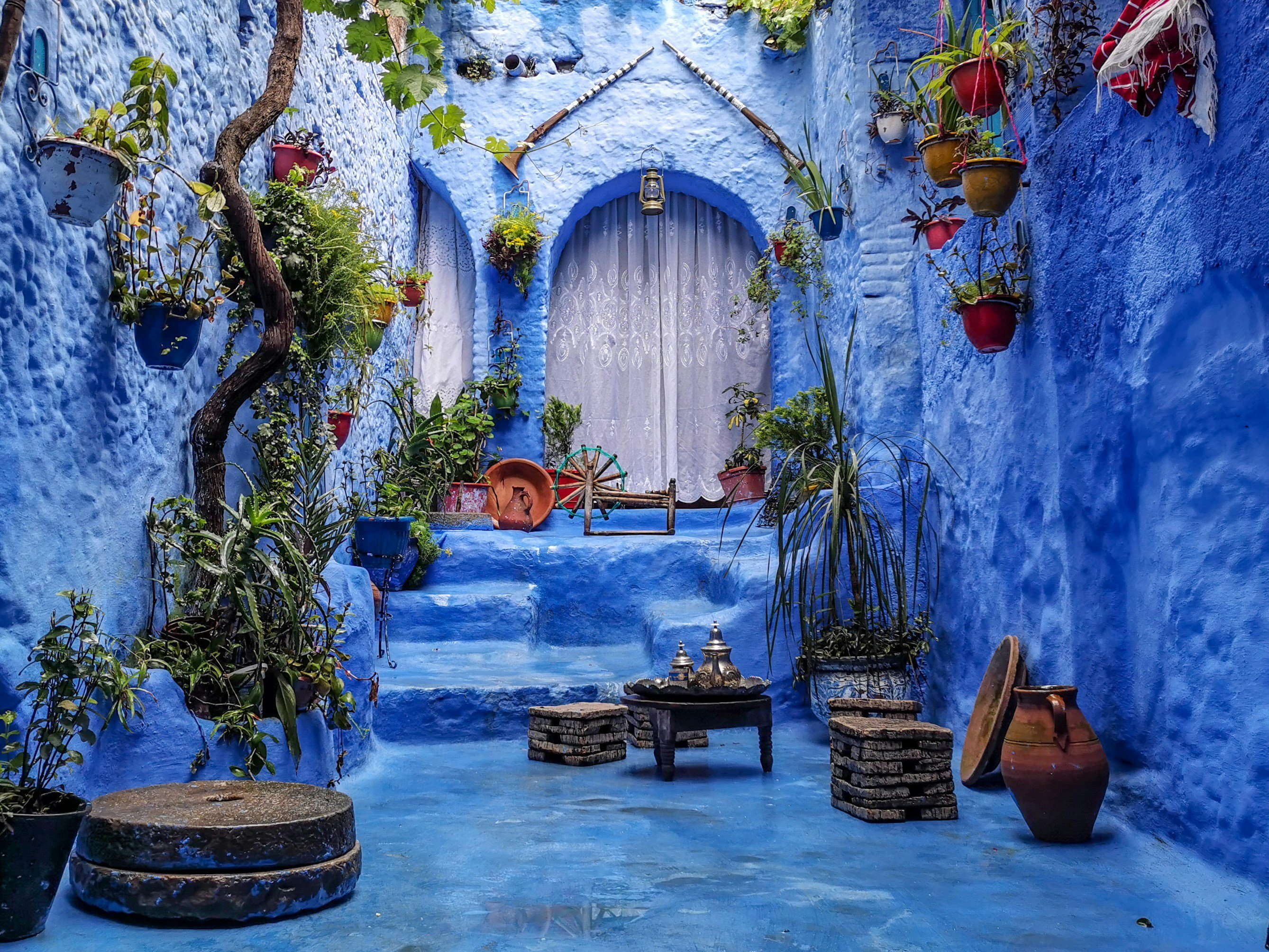
Marrakech throws you into sensory overload; the souks, Jemaa el-Fnaa square, stunning riads. Fes has the world's oldest university and a medieval medina that feels frozen in time. Chefchaouen is the blue-painted mountain town everyone photographs. The Sahara Desert offers camel treks and star-filled nights. Essaouira gives you coastal calm and fresh seafood. Tagine and couscous are staples. Mint tea is offered everywhere, accept it. Moroccan pastries are dangerously good.
Cost & Affordability
Very affordable. Budget travelers can manage on $40–60/day. Mid-range travelers spend $80–110/day and stay in beautiful riads. Food is cheap and delicious. Haggling in souks is expected so prices can drop by 50% or more.
Getting Around
Trains connect major cities like Marrakech, Fes, and Casablanca, they're modern and comfortable. CTM buses are reliable for other routes. Grand taxis (shared taxis) work for shorter distances. In cities, petit taxis are cheap but meters aren't always used, agree on price first. Renting a car works for the Atlas Mountains or desert, but city driving is chaotic.
Cultural Tips
Morocco is a Muslim country so dress modestly, especially outside tourist areas. Cover shoulders and knees. Remove shoes before entering homes or mosques (non-Muslims can't enter most mosques). Bargaining is part of the culture, not rude. Learn a few Arabic or French phrases, "shukran" (thank you) helps. Right hand for eating and handshakes (left hand is considered unclean). Ramadan affects opening hours and dining options.
Australia
Why It's Great for First-Time Travelers
Australia is vast, diverse, and incredibly welcoming. English is the primary language, the infrastructure is excellent, and Aussies are famously laid-back and friendly. It's safe, modern, and offers everything from world-class cities to outback adventures to coral reefs.
It's one of the top travel destinations 2026 for first-timers who want a long trip with a variety. Beaches, wildlife, urban culture, and natural wonders all in one place.
What to See & Do
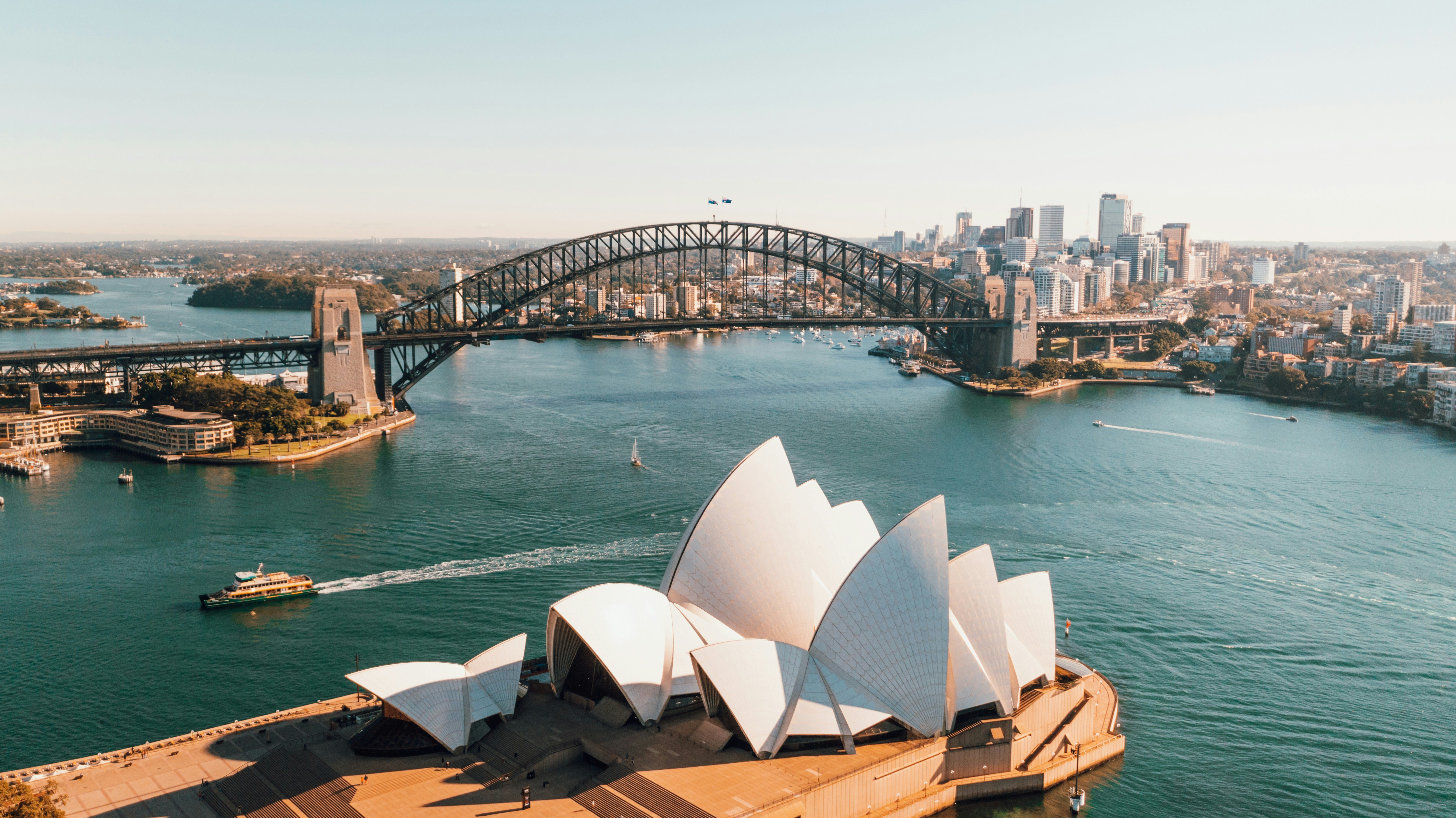
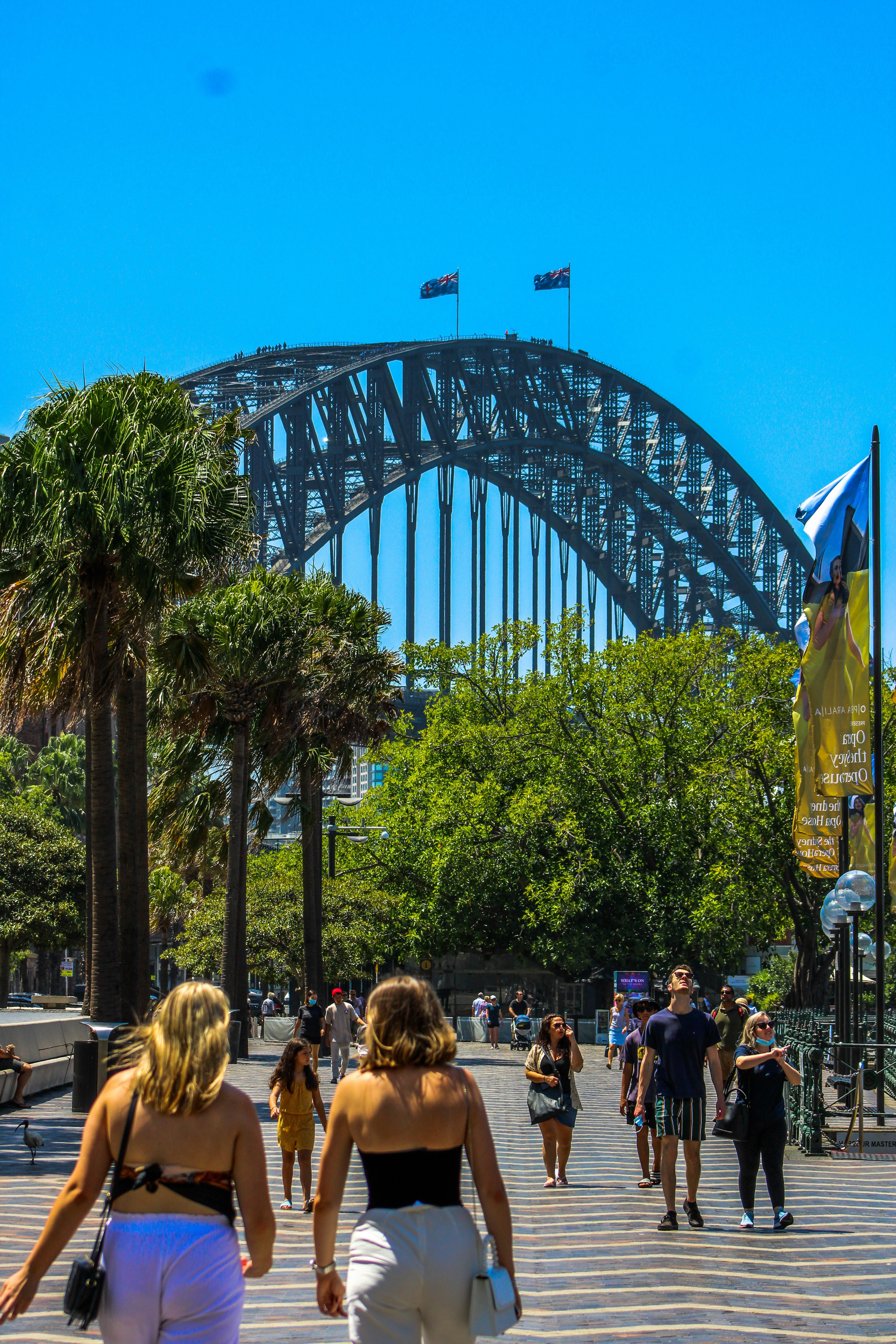
Sydney's Opera House and Harbour Bridge are iconic. Melbourne offers coffee culture and street art. The Great Barrier Reef is a bucket-list dive or snorkel. Uluru (Ayers Rock) is spiritually significant and stunning. The Great Ocean Road is one of the world's best coastal drives. Tasmania offers wilderness and cool-climate beauty. Try Vegemite (or don't, it's divisive). Flat whites originated here. Meat pies are surprisingly good. And yes, the wildlife is unique; kangaroos, koalas, wombats, and some very dangerous spiders.
Cost & Affordability
Expensive. Budget travelers need $80–100/day minimum. Mid-range travelers spend $150–200/day. Accommodation, food, and activities are pricey. Working holiday visas are popular for longer stays.
Getting Around
Domestic flights connect cities, distances are huge. Buses (like Greyhound) are cheap but slow. Renting a car or campervan is ideal for road trips. Cities have good public transport. Brisbane, Sydney, and Melbourne all have extensive train and bus networks.
Cultural Tips
Aussies are informal and friendly. "G'day" and "mate" are real. Tipping isn't expected but appreciated for good service. Sunscreen is essential as the sun is intense. Respect Indigenous culture and sacred sites. And watch for wildlife on roads, especially at dawn and dusk.
Travel Tips for First-Time Travelers
Before you go, a few things that'll make your first international trip smoother:
Visa and Entry Requirements: Check visa requirements well in advance. Many countries offer visa-free entry or visas on arrival for tourists, but rules change. Make sure your passport is valid for at least six months beyond your travel dates.
Travel Insurance: Get it. Medical emergencies, flight cancellations, lost luggage are among things insurance covers that you don't expect. World Nomads and SafetyWing are popular with travelers.
Money Matters: Notify your bank before traveling. Carry a mix of cash and cards. ATMs are usually the best way to get local currency. Avoid airport exchange counters, they have terrible rates.
Stay Connected: Get a local SIM card or use an international plan. Google Maps, translation apps, and messaging apps are lifesavers. Download offline maps before you arrive.
Pack Light: You'll thank yourself. A carry-on and a backpack are often enough. Leave space for souvenirs. Bring layers, a universal adapter, and any medications you need.
Trust Your Gut: Solo travel is generally safe in these countries, but stay aware. Avoid overly deserted areas at night. Keep valuables secure. And if something feels off, it probably is, always trust your instincts.
Explore Like a Local with Lokafy
Here's the thing about first-time travel: guidebooks and Google can only take you so far. You can hit the major sites, eat at the recommended restaurants, and still feel like you're missing something. That's because the best parts of a place like the hidden cafés, the neighborhood festivals, the shortcuts locals use aren't in the guidebook. That's where Lokafy comes in.
Lokafy connects you with local guides who live in the cities you're visiting. These aren't tour buses or scripted group walks. They're real people showing you their city the way they experience it, whether that's a food crawl through a neighborhood market, a street art tour in a creative district, or just wandering with someone who knows where the good coffee is.
For first-time travelers, this is gold. You get insider knowledge without the stress. You avoid tourist traps. You feel confident exploring because you've got someone who's got your back. And honestly, you get to experience a place like a local, not a tourist clutching a map on a crowded plaza.
It's one of the easiest ways to turn a good trip into an unforgettable one. Check out Lokafy before your next adventure, your first international trip deserves more than just checking boxes. It deserves stories worth telling.
Enjoyed this article?


